The 9th Yushan Forum, taking place from March 16 to March 17 under the theme “Indo-Pacific Partnership Prospects: Taiwan’s Values, Technology, and Resilience,” opened in Taipei with global leaders and experts gathering to strengthen cooperation across the Indo-Pacific. Co-organized by the Taiwan-Asia Exchange Foundation (TAEF) and the Ministry of Foreign Affairs (MOFA), this year’s forum also marks the 10th anniversary of the New Southbound Policy+ (NSP+), highlighting Taiwan’s expanding partnerships and its role as a contributor to regional stability, technological innovation, and democratic resilience.
Opening Ceremony
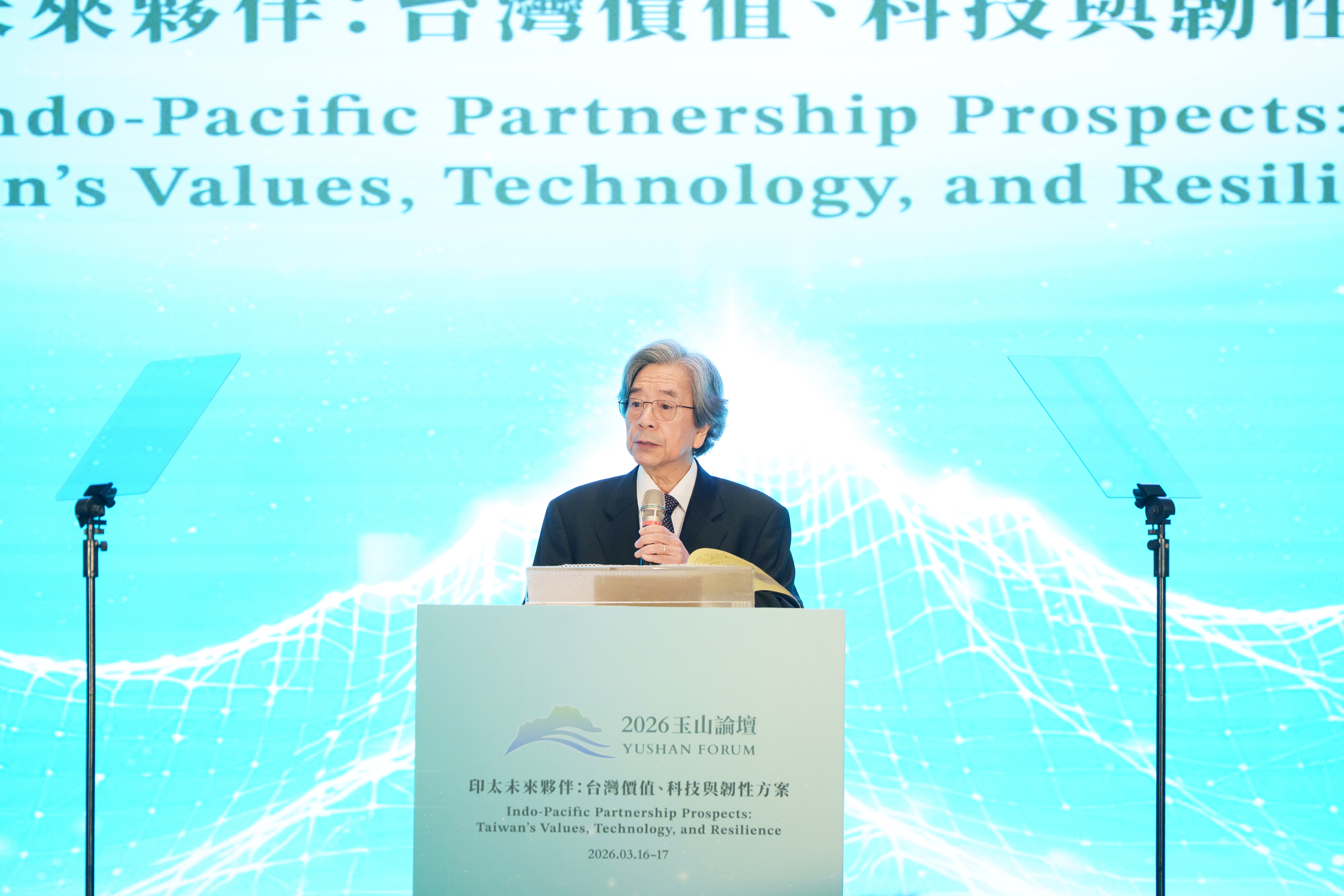
Hsin-Huang Michael Hsiao, Chairman of TAEF, opened the forum by emphasizing Taiwan’s determination to further engage with the Indo-Pacific and contribute actively to the international community. He noted that the Yushan Forum continues to bring together international political and civil society leaders to amplify Taiwan’s voice globally, while strengthening partnerships with like-minded countries.
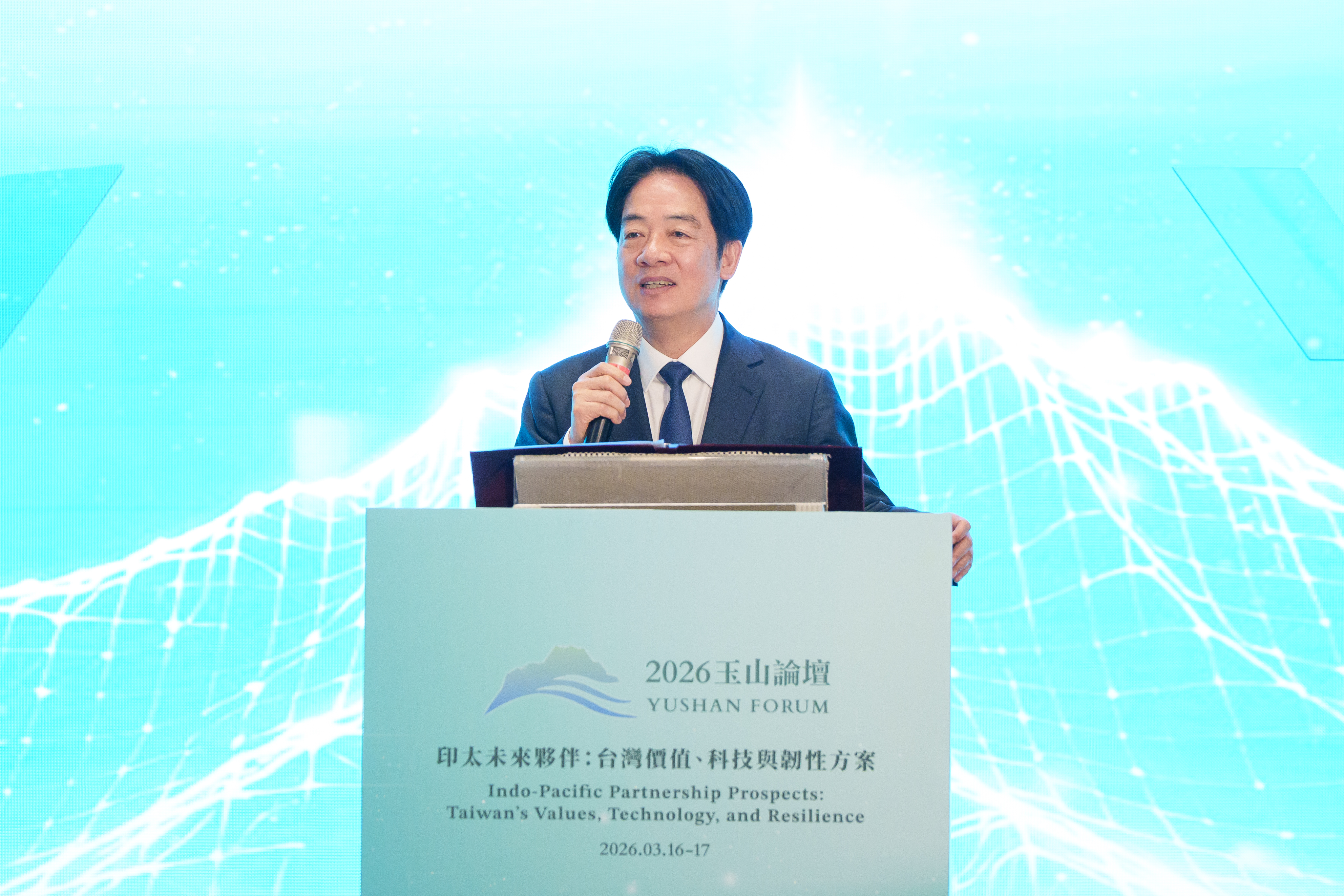
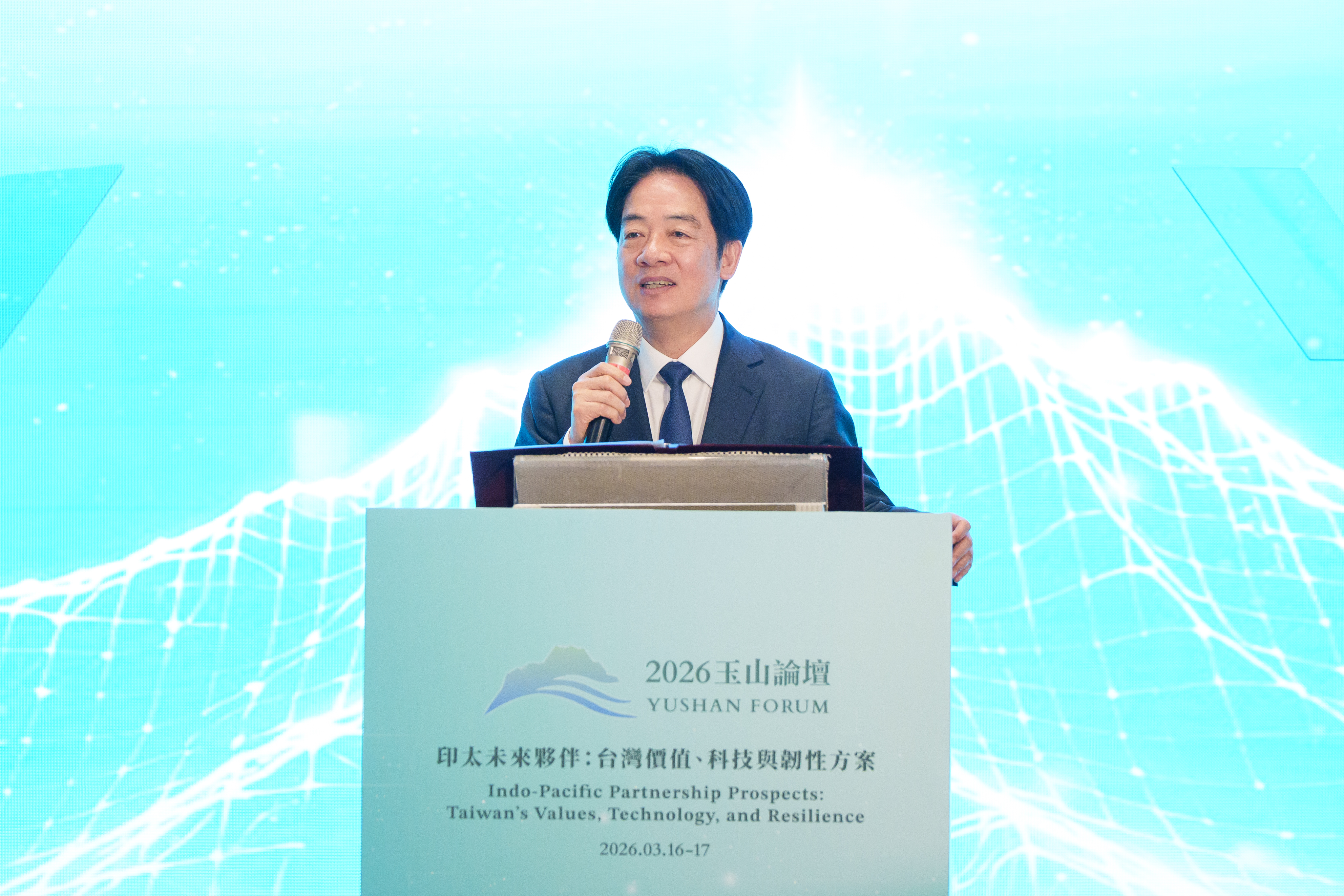
President Lai Ching-te highlighted the importance of democratic solidarity in an increasingly uncertain global environment. Stressing that “there is no freedom without solidarity,” President Lai called on democratic nations to work together to uphold what he described as a “democratic umbrella” protecting freedom, stability, and prosperity. He also reaffirmed Taiwan’s commitment to strengthening national resilience and defense capabilities, including a proposed defense budget of 3.42 percent of GDP and continued development of asymmetric and whole-of-society defense.
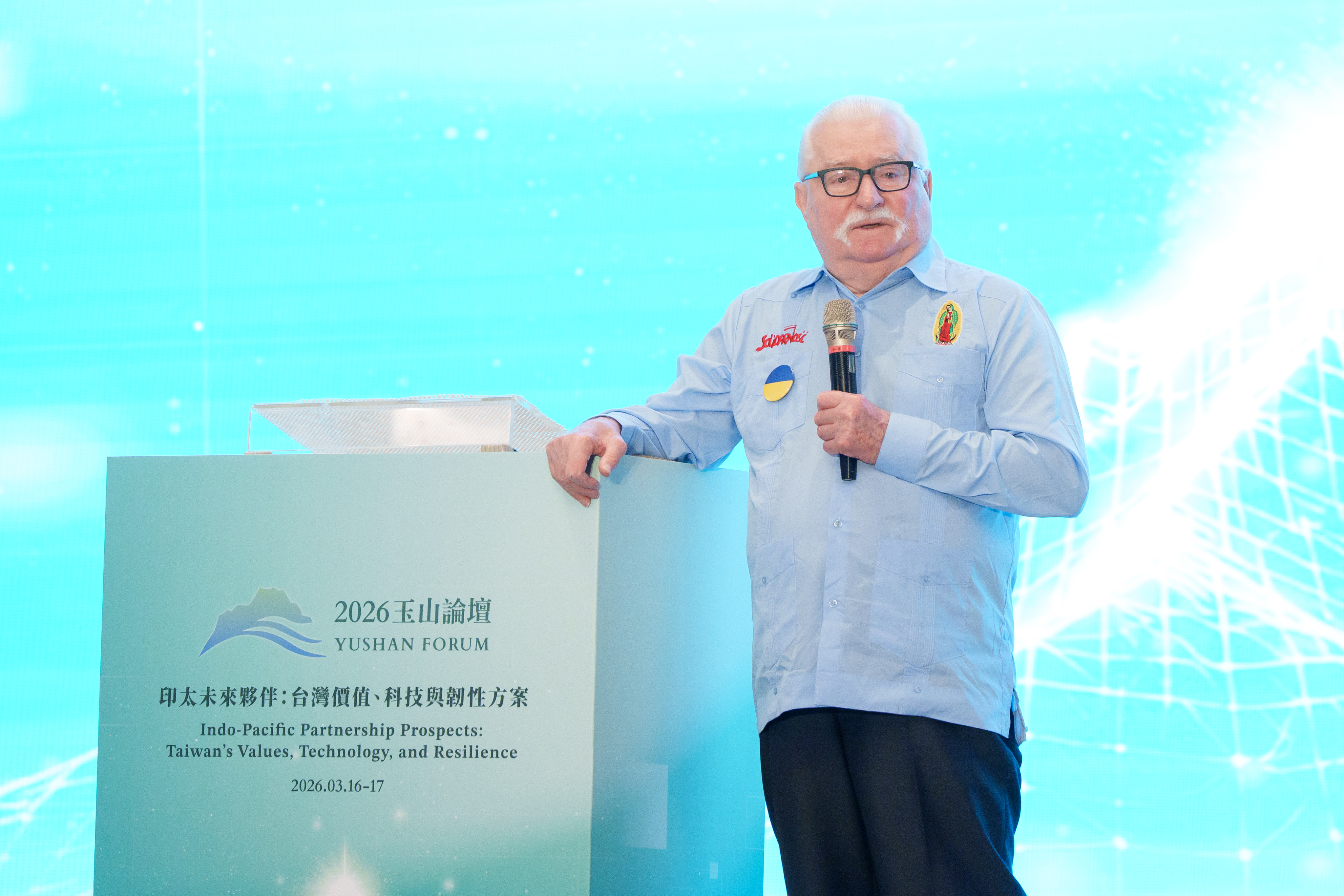
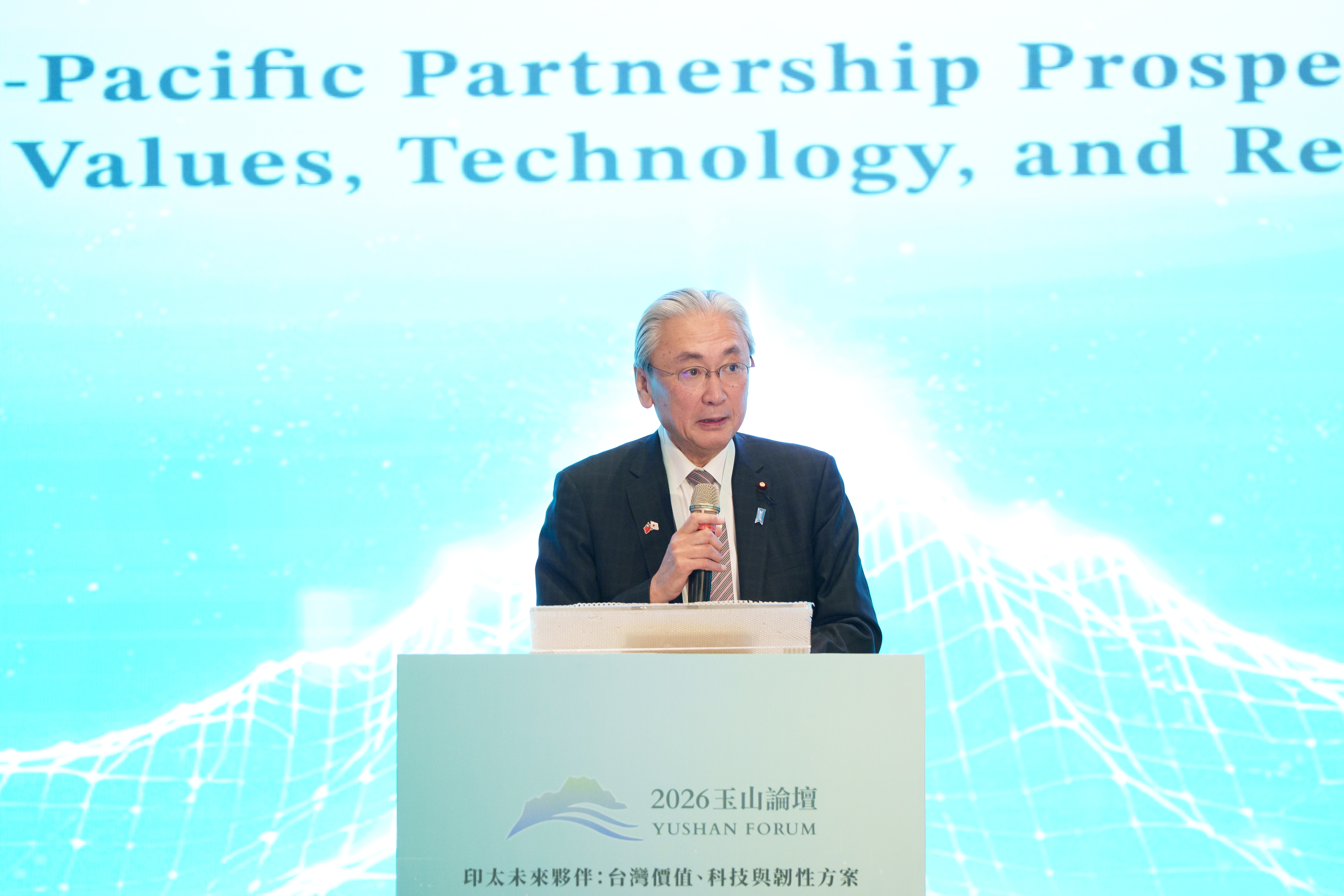
International speakers also underscored the importance of cooperation and dialogue in addressing global challenges. Lech Wałęsa, former President of Poland, emphasized that peaceful collaboration and solidarity among nations remain more powerful than force. Mahendra Pal Chaudhry, former Prime Minister of Fiji, highlighted the importance of regional stability and resilient supply chains, noting Taiwan’s New Southbound Policy as an innovative framework for strengthening cooperation across the Indo-Pacific. Keiji Furuya, Chairman of the Japan-ROC Diet Members’ Consultative Council, concluded the opening ceremony by reaffirming Japan-Taiwan cooperation in areas including economic security, disaster prevention, resilient supply chains, and green energy development.
Pre-recorded remarks were also delivered by U.S. Senator Pete Ricketts, Chairman of the Senate Foreign Relations Subcommittee on East Asia, the Pacific, and International Cybersecurity Policy, who highlighted the strategic importance of U.S.–Taiwan cooperation, and Rachid Temal, Vice-President of the French Senate Committee on Foreign Affairs, Defense and Armed Forces, who discussed France’s new strategy to counter disinformation and strengthen societal resilience, inspired by Taiwan’s existing policies.
Session 1: Digital Solidarity Partnerships—Next-Generation Secure Digital Ecosystems
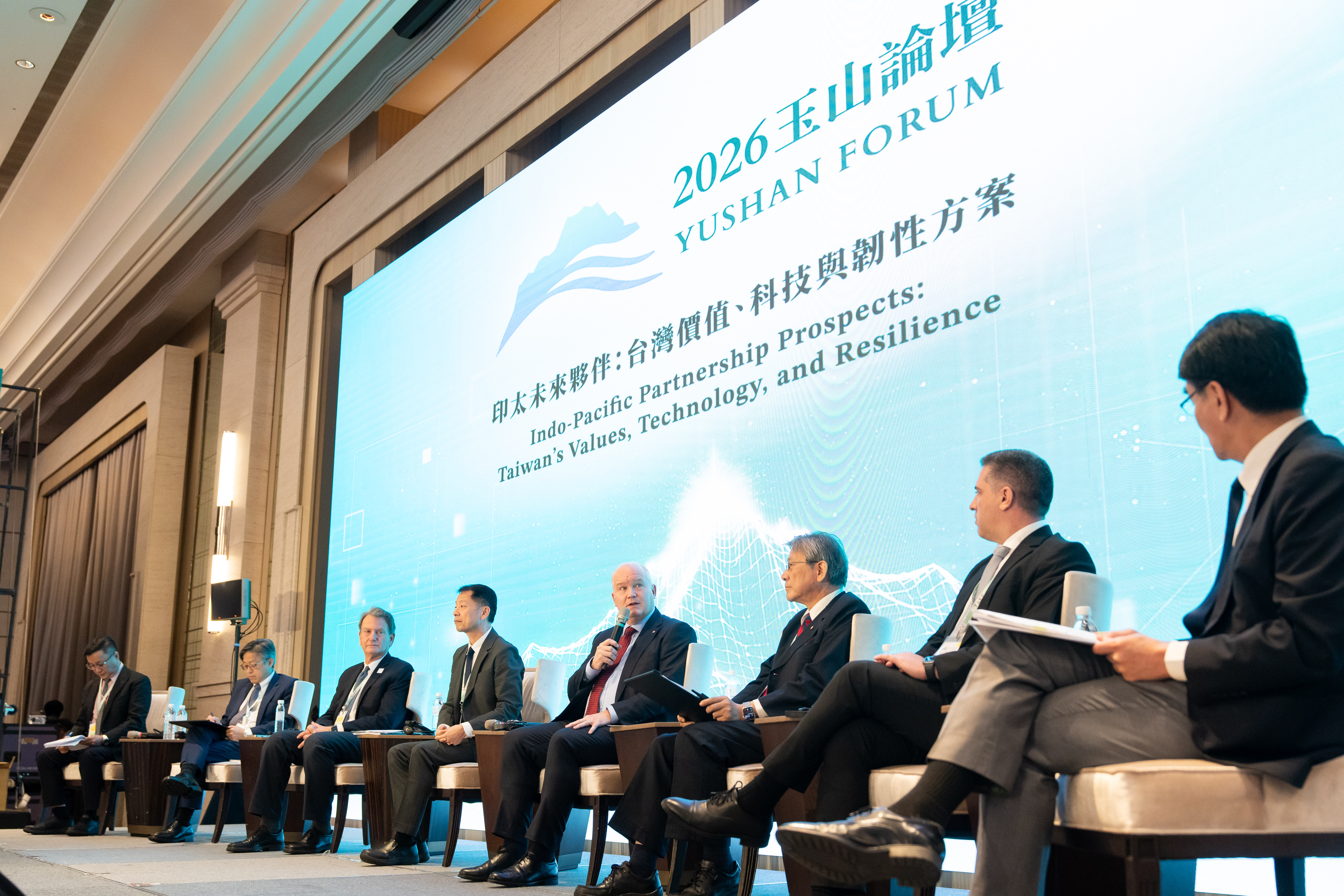
Following the opening ceremony, the forum continued with four thematic sessions exploring cooperation across digital security, supply chains, technological innovation, and social resilience. The first session, Digital Solidarity Partnerships—Next-Generation Secure Digital Ecosystems. was moderated by Dr. Yi-Jing Lin, Minister of Digital Affairs, exploring the importance of international cooperation in securing the digital domain. Panelists emphasized that no country can secure cyberspace alone, highlighting the need for shared norms, frameworks, and collaboration among democratic partners.
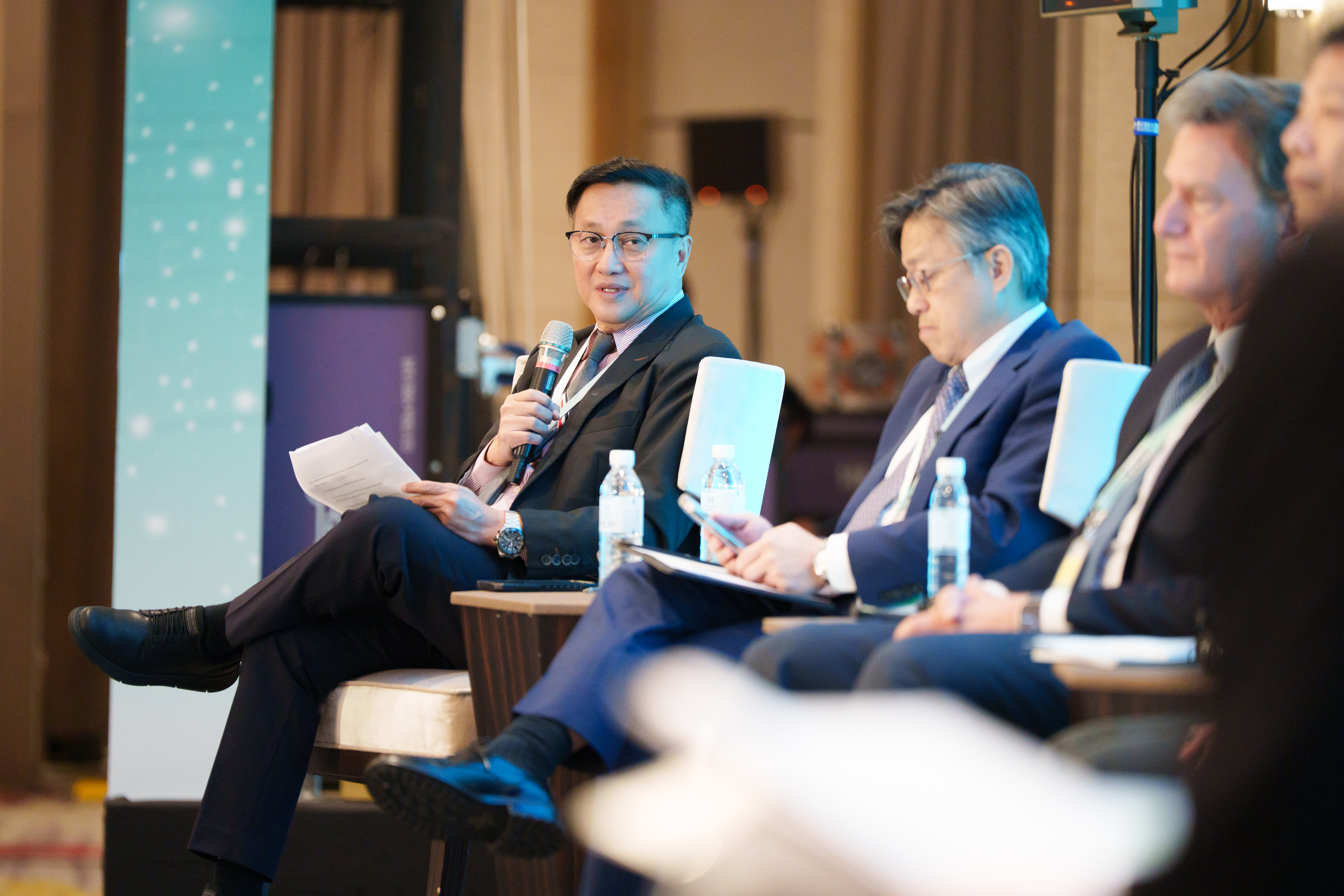
Speakers discussed the growing threats posed by cyberattacks and disinformation campaigns, stressing the need to establish ethical standards and regulatory frameworks for emerging technologies such as artificial intelligence. Participants also underscored the importance of safeguarding human rights and democratic values while building secure digital ecosystems across the Indo-Pacific.
High-Level Luncheon
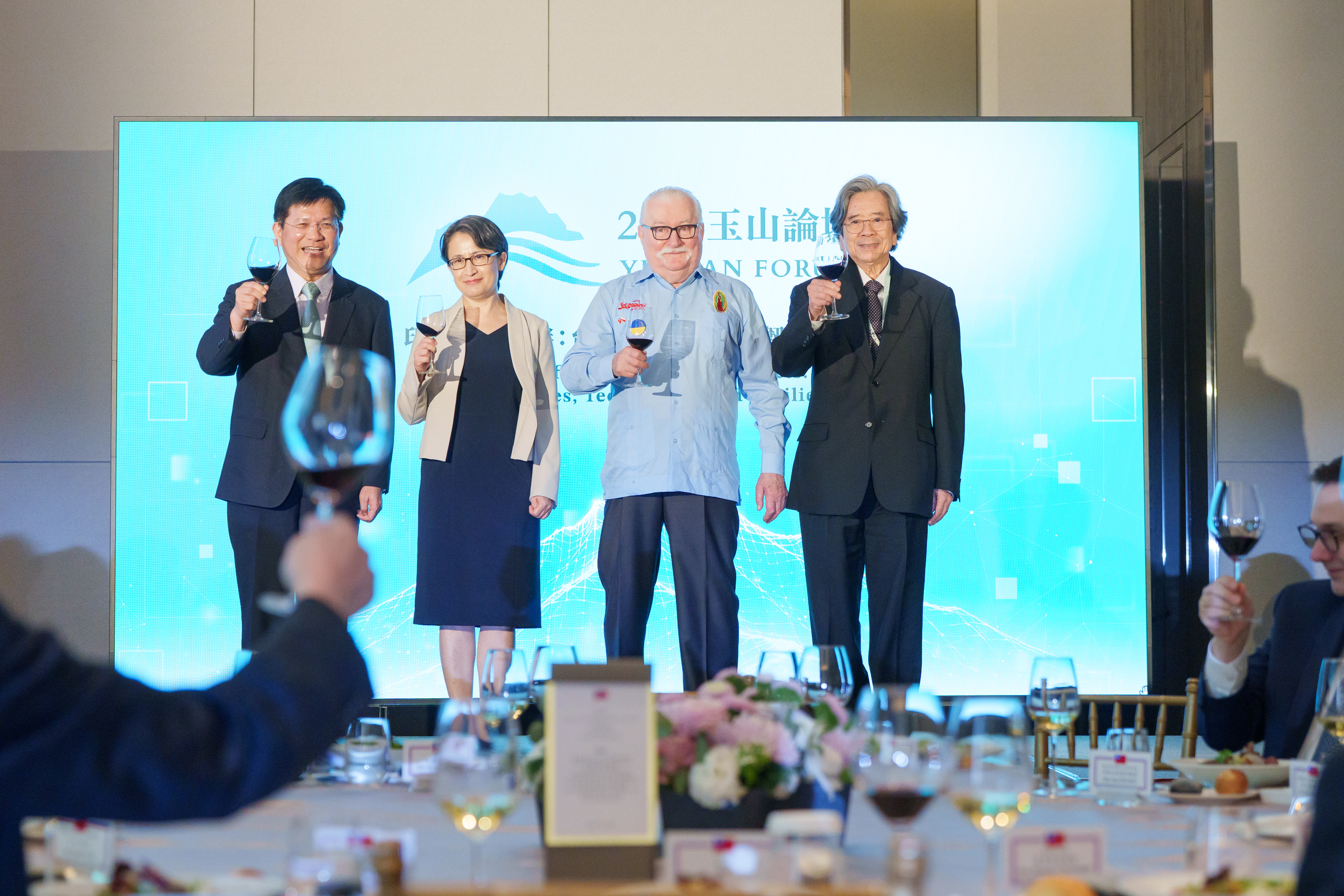
At midday, Vice President Hsiao Bi-khim hosted a high-level luncheon featuring a keynote address by Lech Wałęsa, former President of Poland.
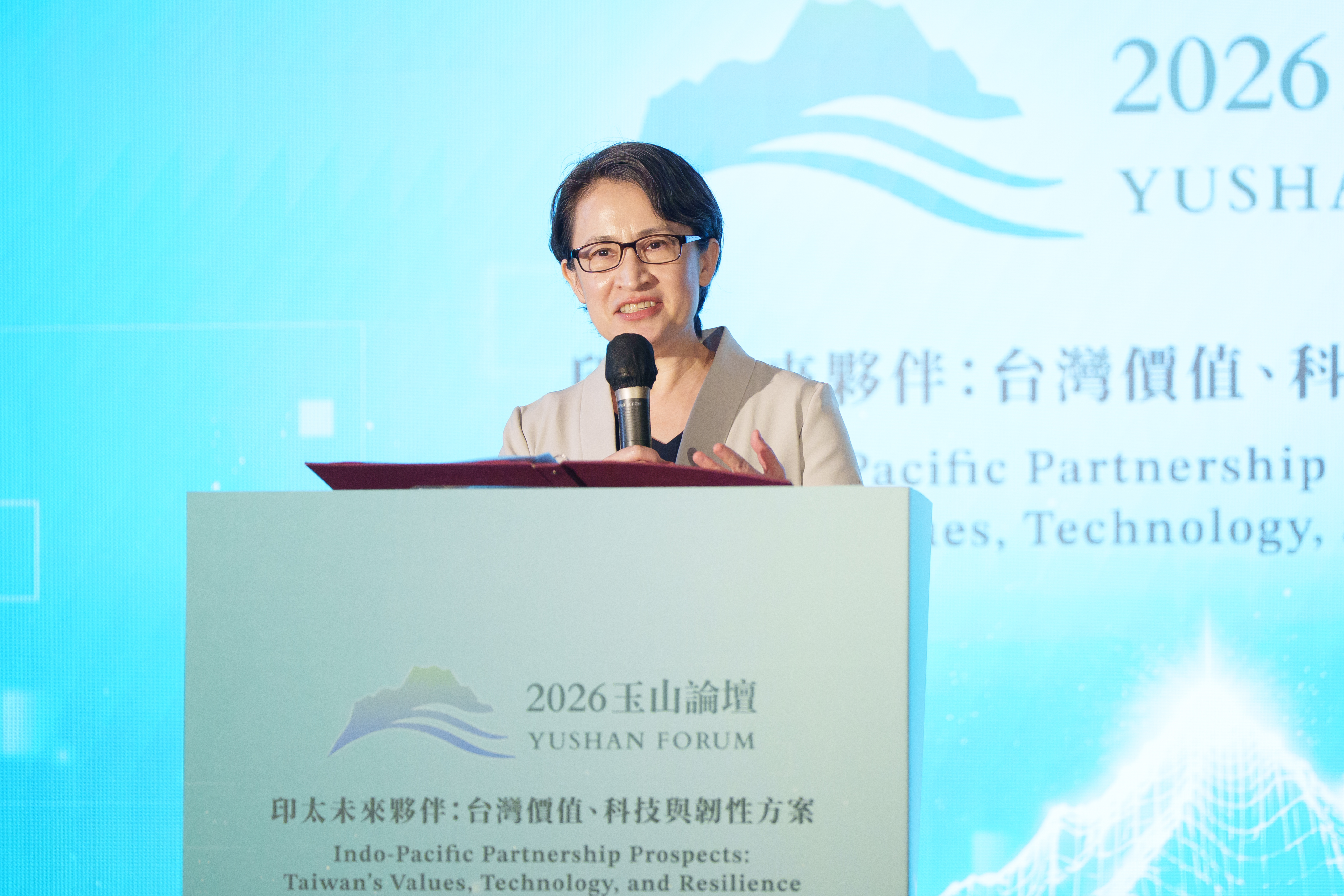
Vice President Hsiao reflected on the rapidly evolving global landscape, noting that geopolitical tensions, shifting trade flows, economic security concerns, and rapid technological developments are reshaping the Indo-Pacific region. She emphasized that for Taiwan these developments directly affect its economy, supply chains, and international partnerships. She added that resilience today extends beyond natural disasters to include economic disruptions, cyber threats, and disinformation, requiring close collaboration between governments, civil society, and international partners.
She noted that values, resilience, and technology—the core themes of the Yushan Forum—highlight the strengths Taiwan contributes to regional and global partnerships. She concluded by stressing that shared values build trust, resilience strengthens security, and technological innovation drives prosperity, expressing hope that Taiwan will continue to deepen cooperation with trusted partners across the region.
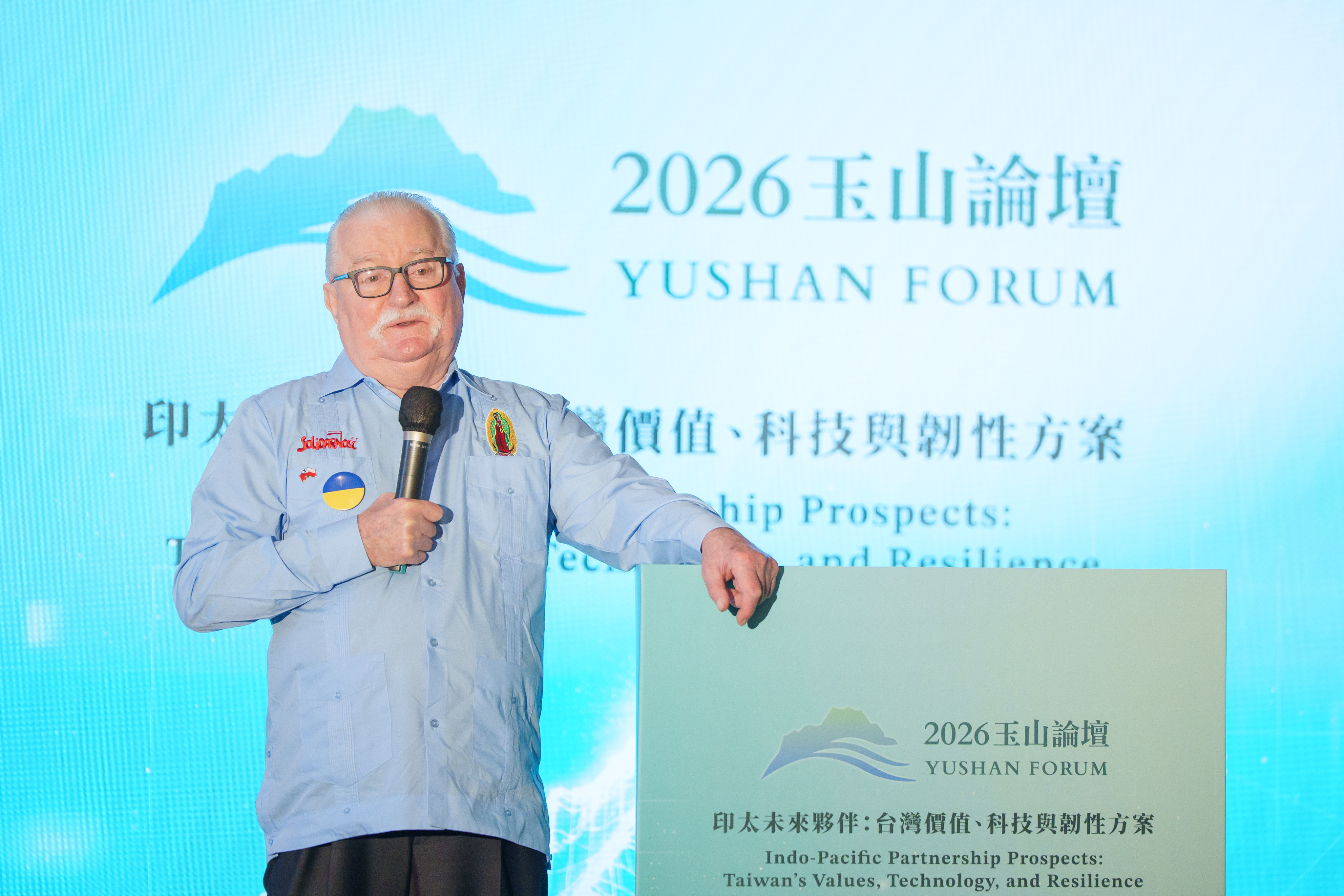
In his keynote address, Lech Wałęsa reflected on the lessons of Poland’s democratic transformation. He emphasized that peaceful civic movements and international cooperation can reshape political systems and promote freedom. Wałęsa noted that the international order is once again undergoing profound change and called on democratic societies to work together to ensure that future global governance remains grounded in peace, dialogue, and democratic values.
Session 2: Resilient Economic Partnerships—Trusted Supply Chain Collaboration Opportunities
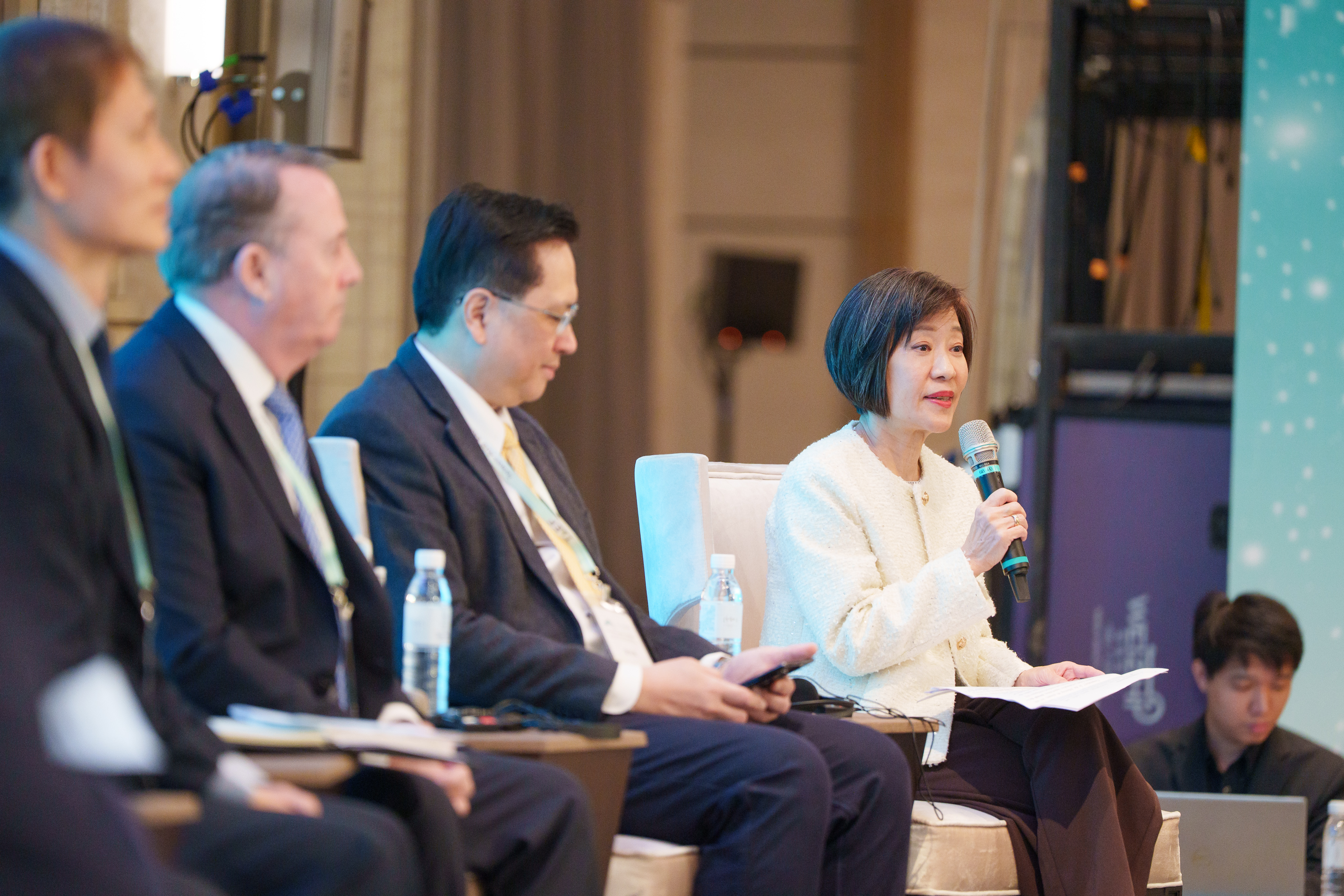
Following the luncheon, the forum continued with a session moderated by Cynthia Kiang, Deputy Minister of Economic Affairs, examining strategies to strengthen trusted supply chains, particularly in the semiconductor sector.
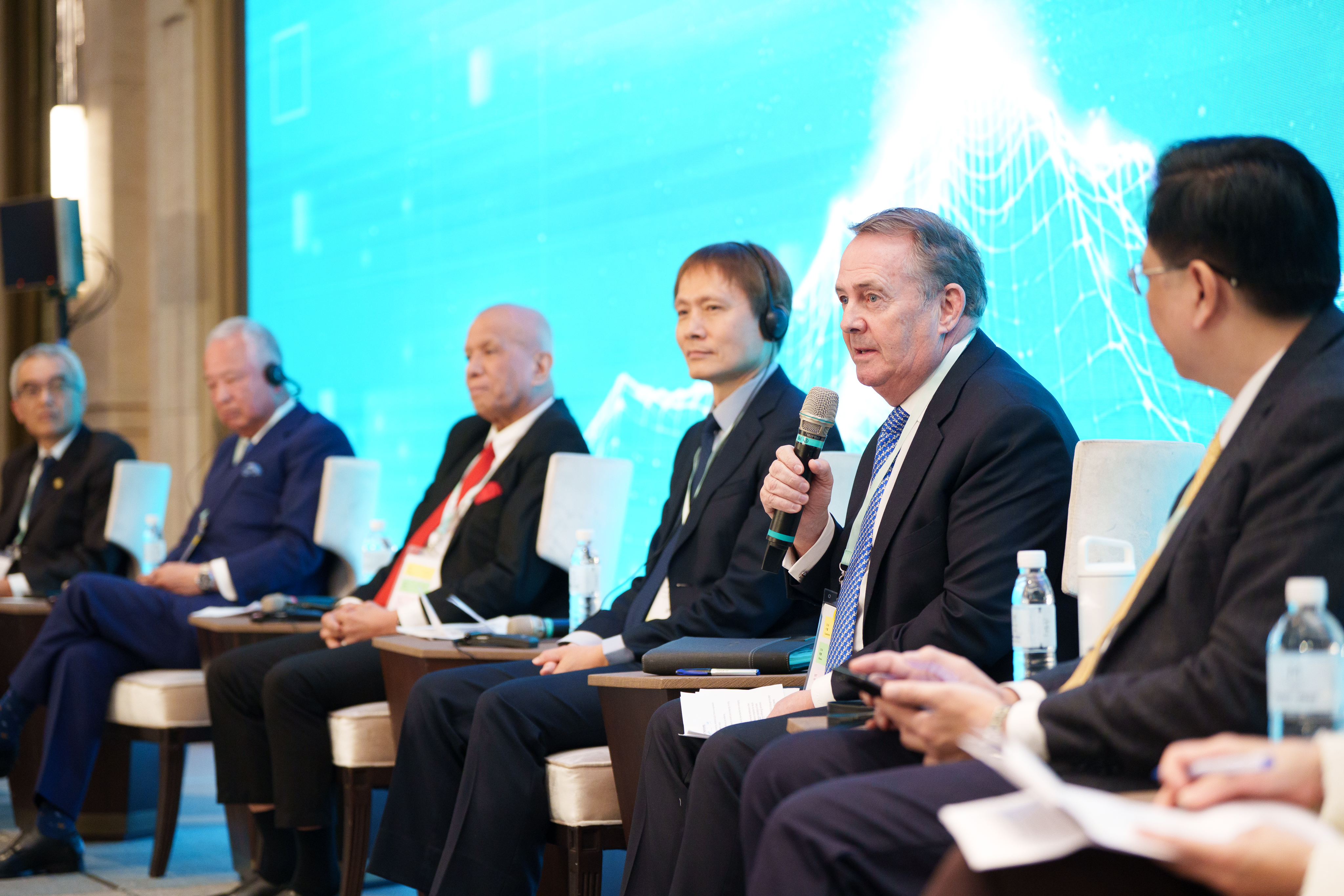
Panelists highlighted Taiwan’s expanding global role in semiconductor production and the increasing interest of international partners—including the United States, United Kingdom, and Japan—in strengthening cooperation with Taiwanese companies. Speakers also emphasized the growing intersection between economic policy and national security, noting that technological sovereignty and supply chain resilience have become central concerns for governments and industries worldwide.
Participants discussed opportunities for deeper collaboration between Taiwan and partners in regions such as Europe and Southeast Asia, including the development of semiconductor design, engineering talent, and industrial partnerships.
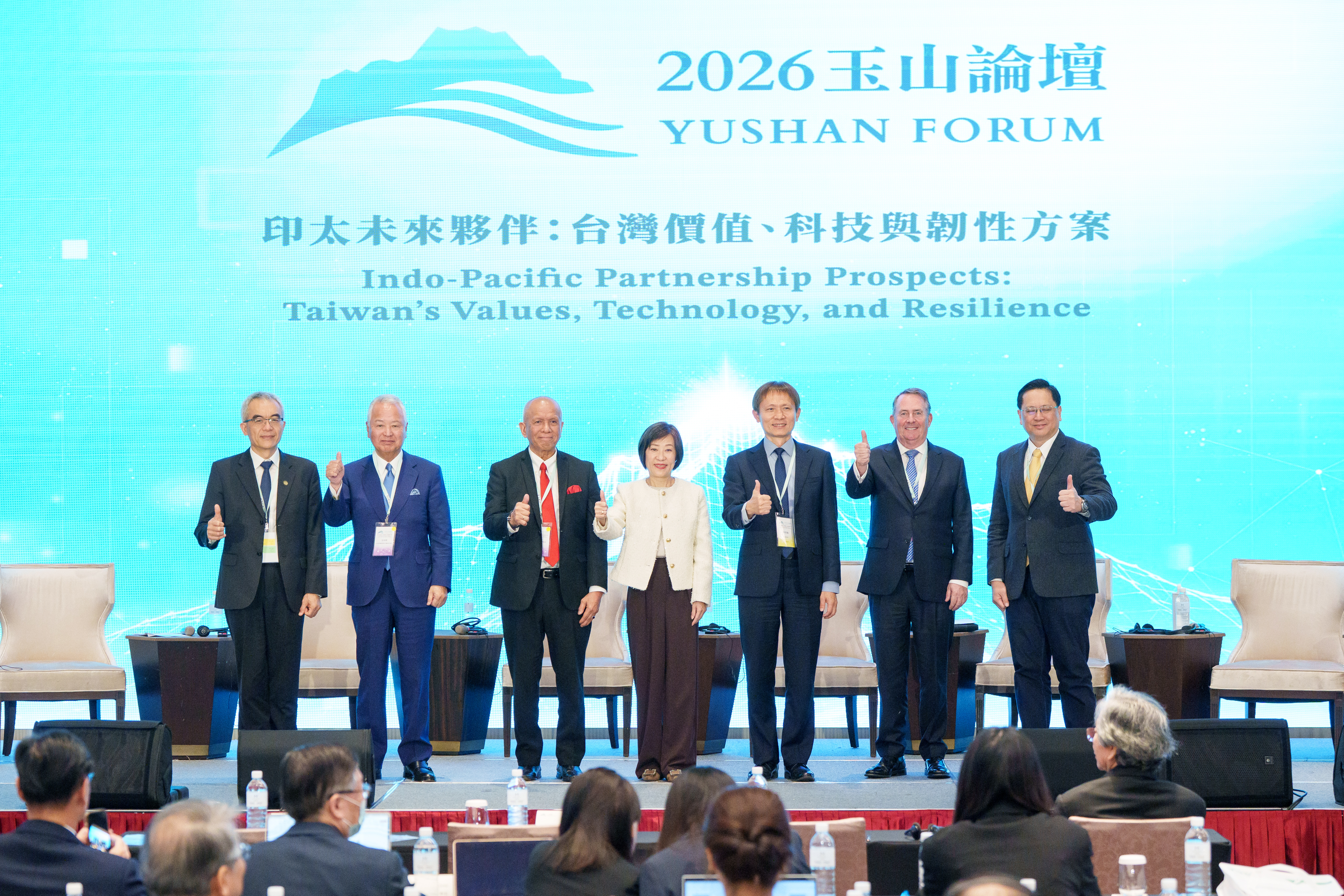
Session 3: Technology Innovation Partnerships—Green and Smart Technology Incubation Hubs
The following session was moderated by Dr. Chi-Ming Peng, Minister of Environment, exploring how technological innovation can accelerate climate action and sustainable development.
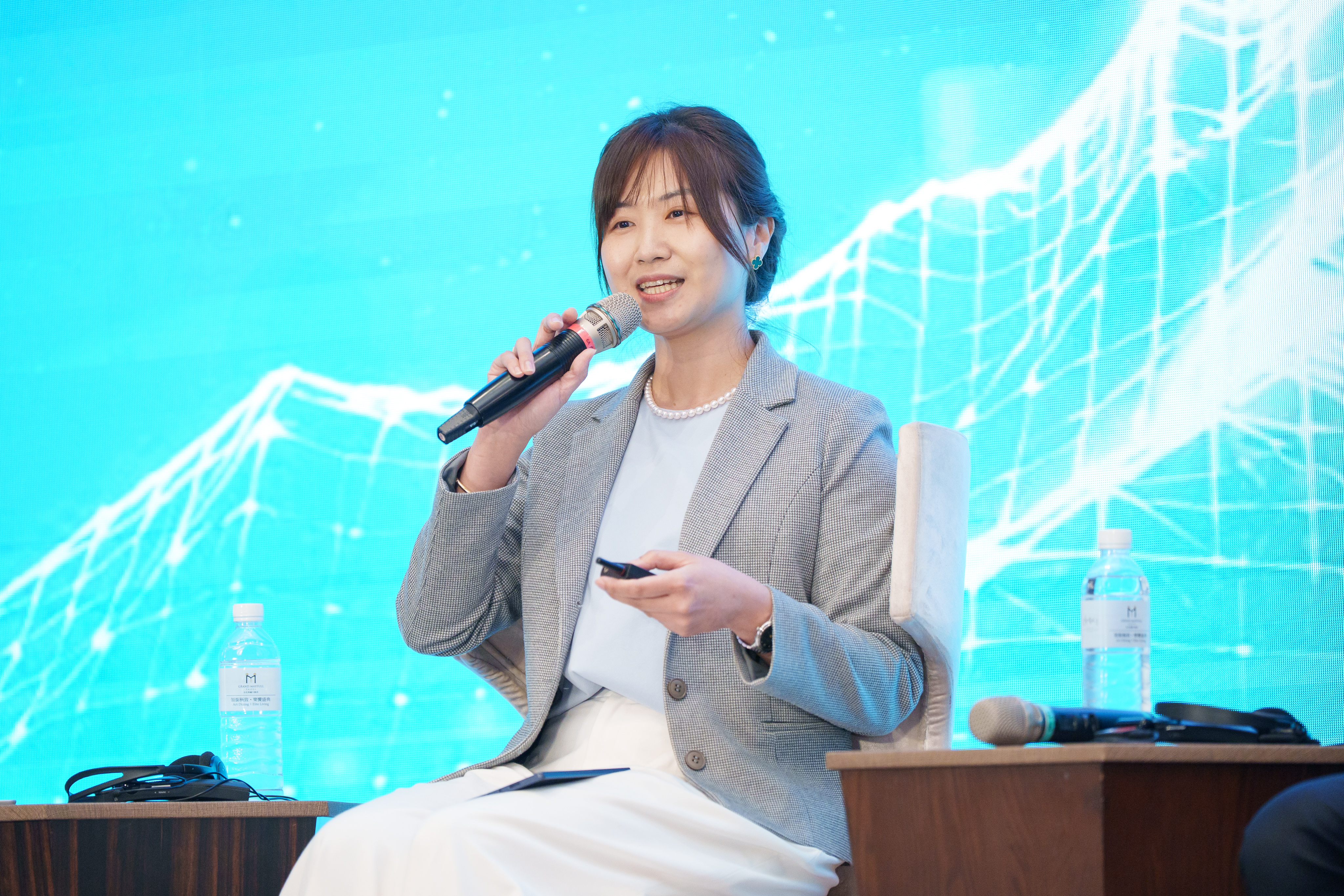
Panelists highlighted the role of regulatory cooperation and international partnerships in advancing green technologies and building circular economies. Private sector representatives emphasized how companies are developing energy-efficient solutions, sustainable construction technologies, and smart innovation hubs to support environmental goals.
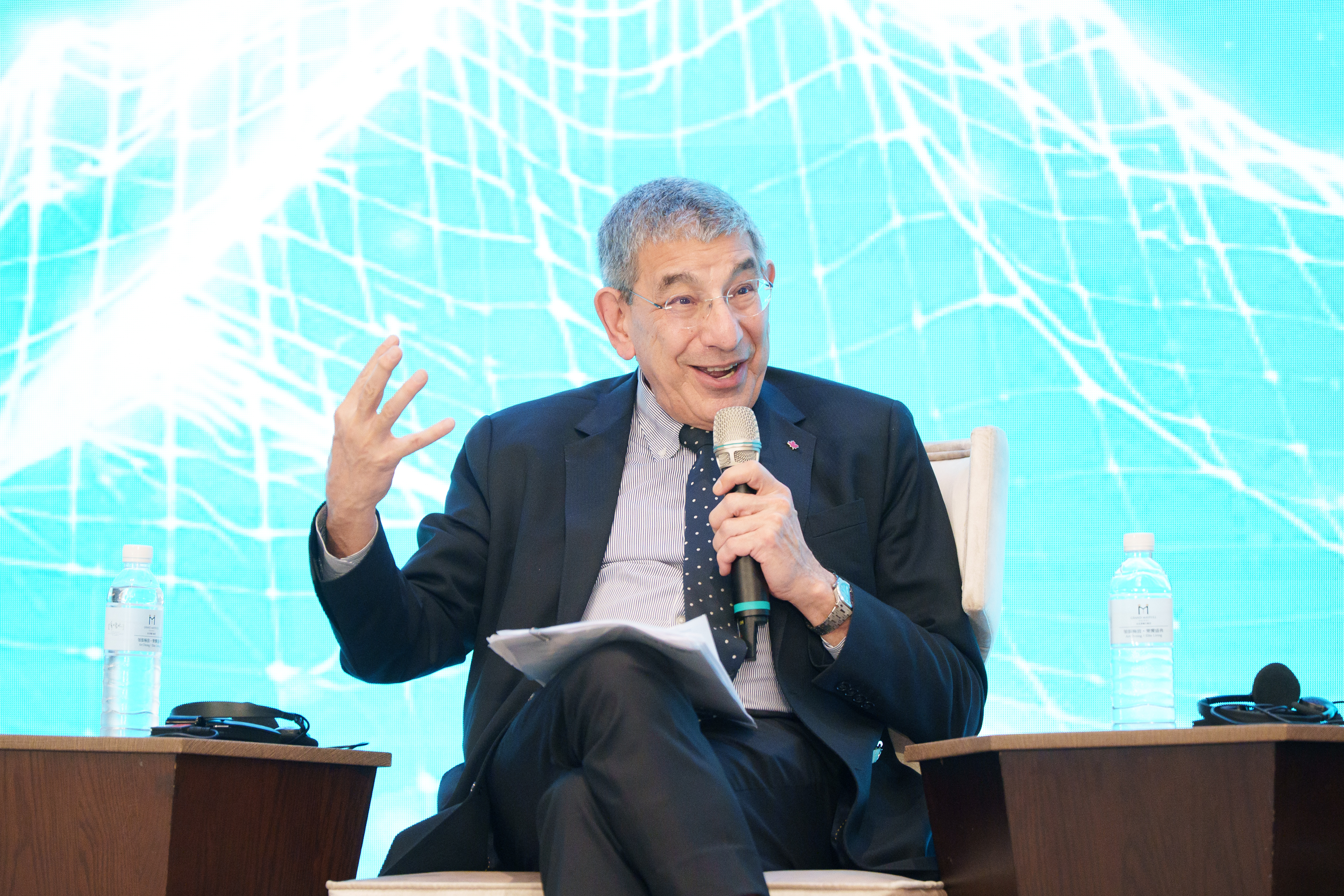
Speakers also noted that clean energy should not be treated as a standalone sector but integrated across industries, with technology playing a critical role in enabling climate resilience and sustainable growth.
Session 4: Social Resilience Partnerships—Public-Private Initiatives to Forge Consensus on Security Issues
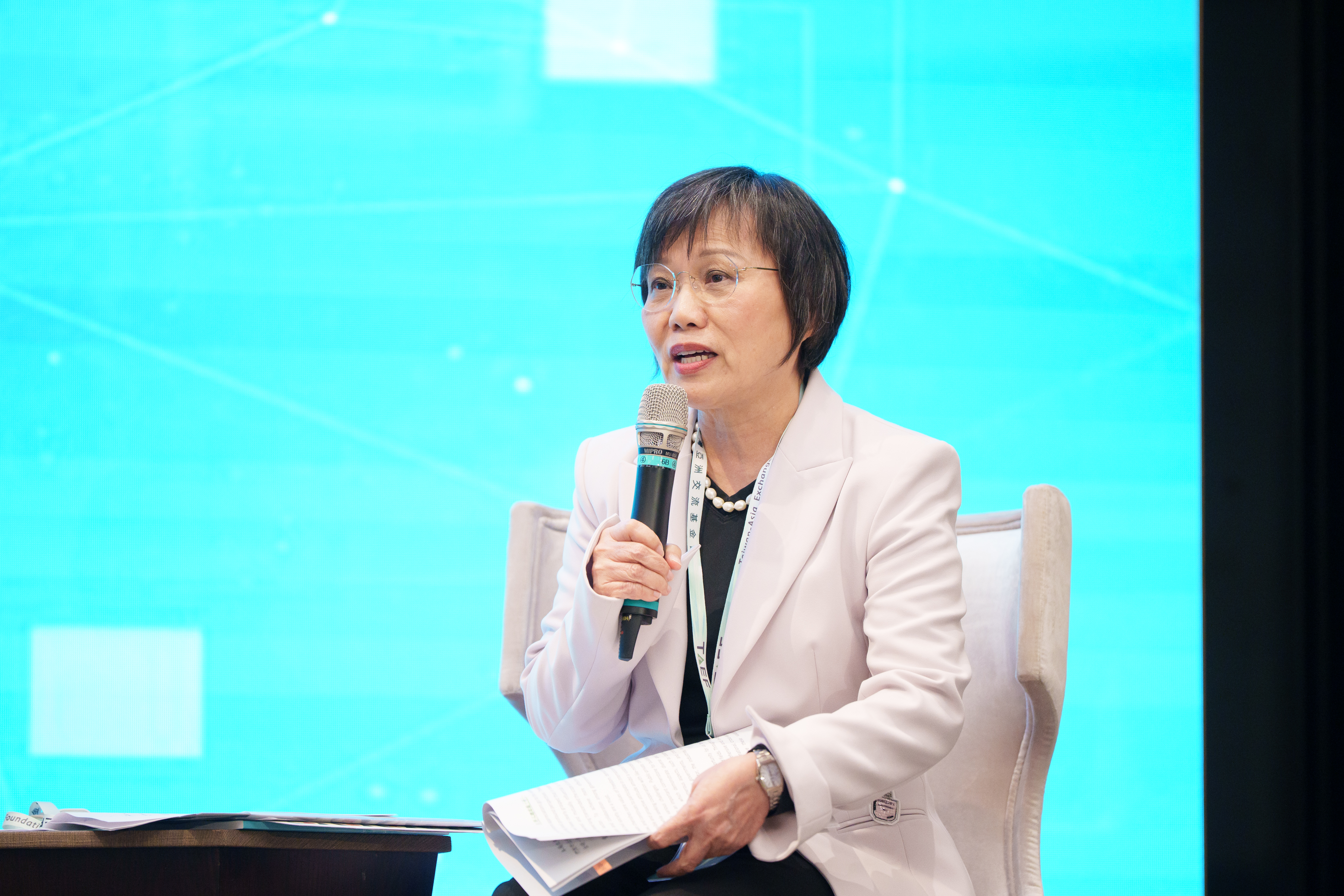
Moderated by Minister of Interior Shyh-Fang Liu, the final session focused on strengthening societal resilience through cooperation between governments, civil society, and the private sector.
Panelists discussed Taiwan’s whole-of-society defense approach, emphasizing the importance of public preparedness, civil defense training, and public awareness in responding to crises. Speakers highlighted lessons from international experiences in disaster management and security challenges, noting that public understanding of potential threats is essential to building resilient societies.
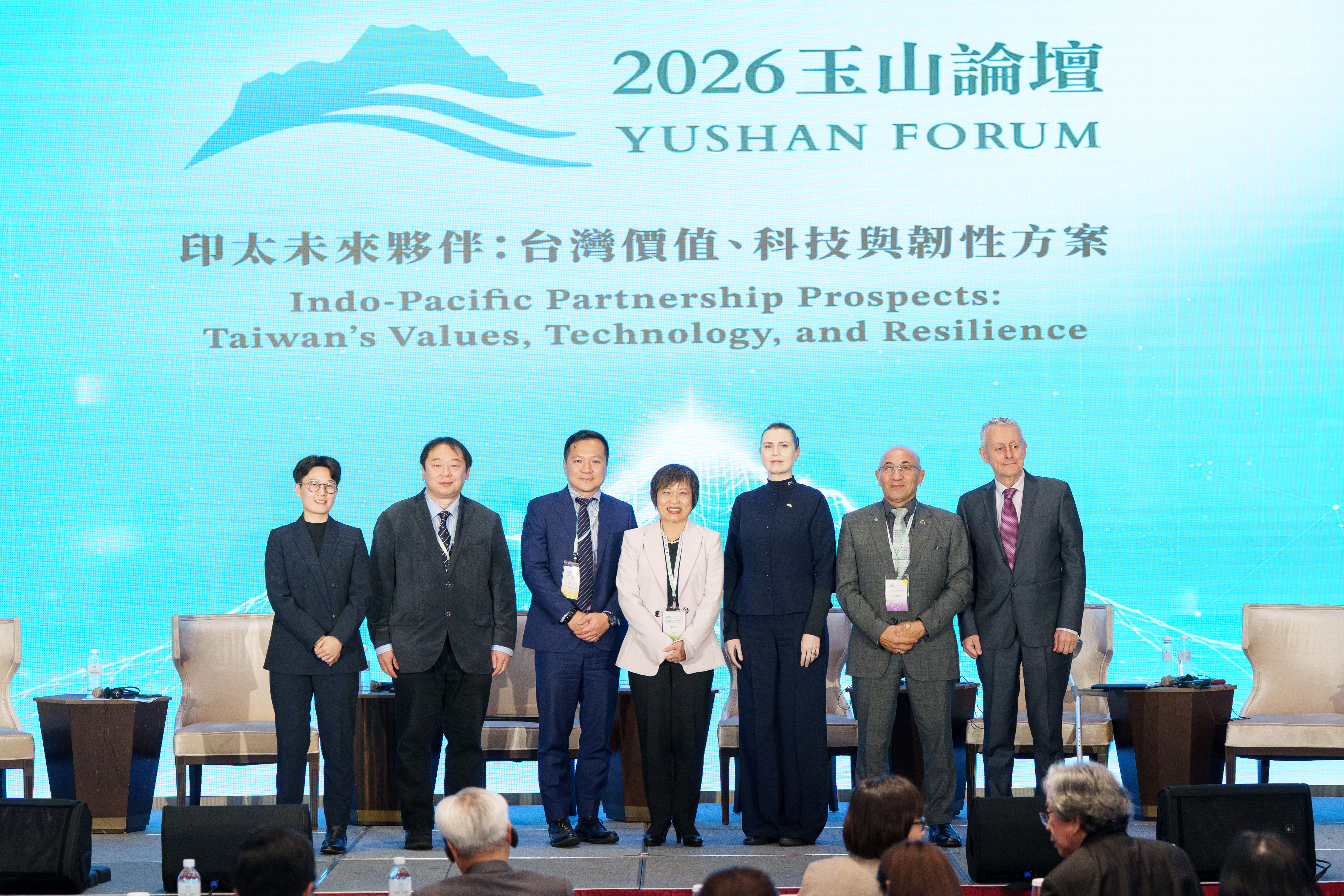
Participants also emphasized that middle powers must work more closely together in an increasingly complex geopolitical environment, sharing knowledge and strategies to strengthen democratic resilience.
Evening Diplomatic Dinner
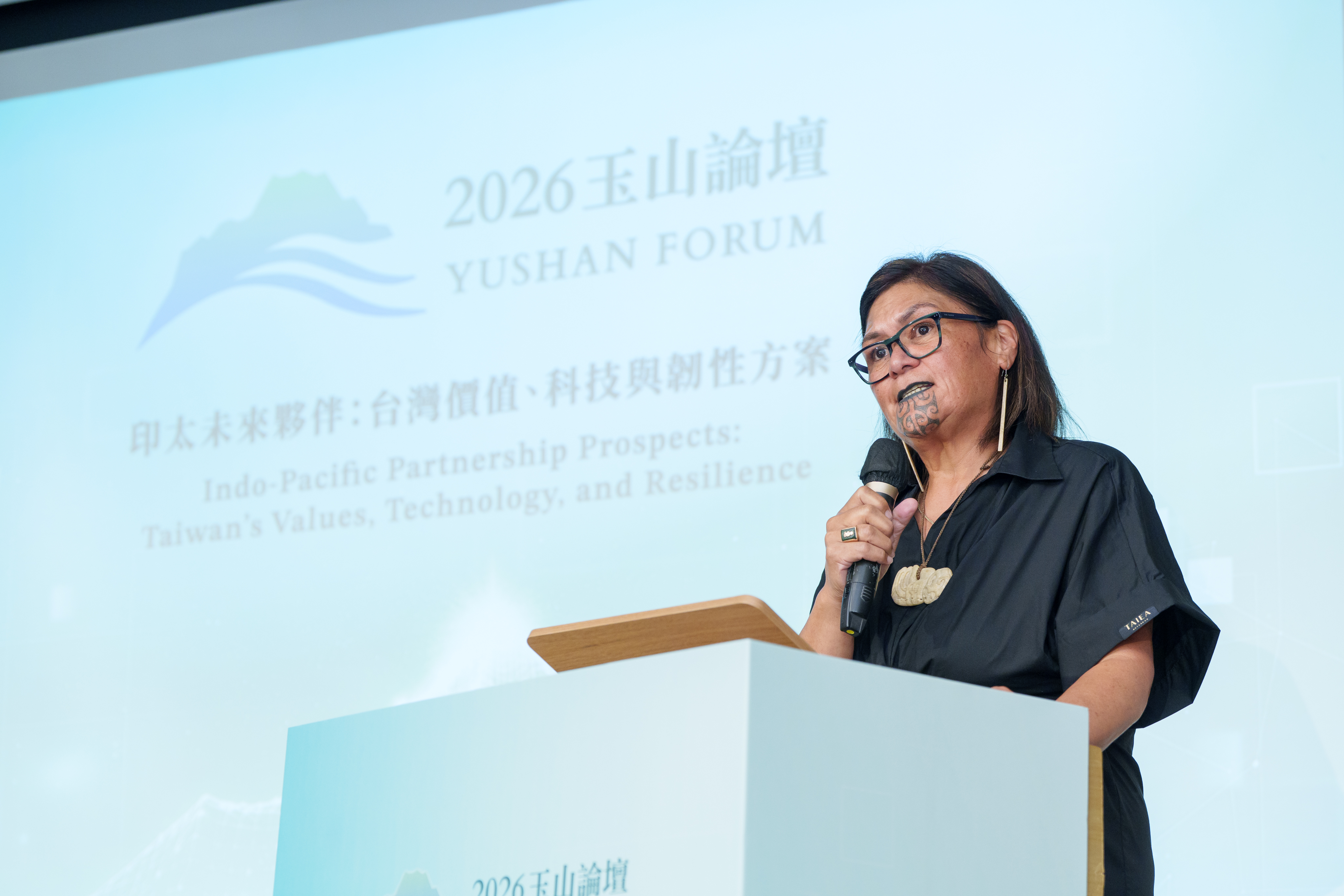
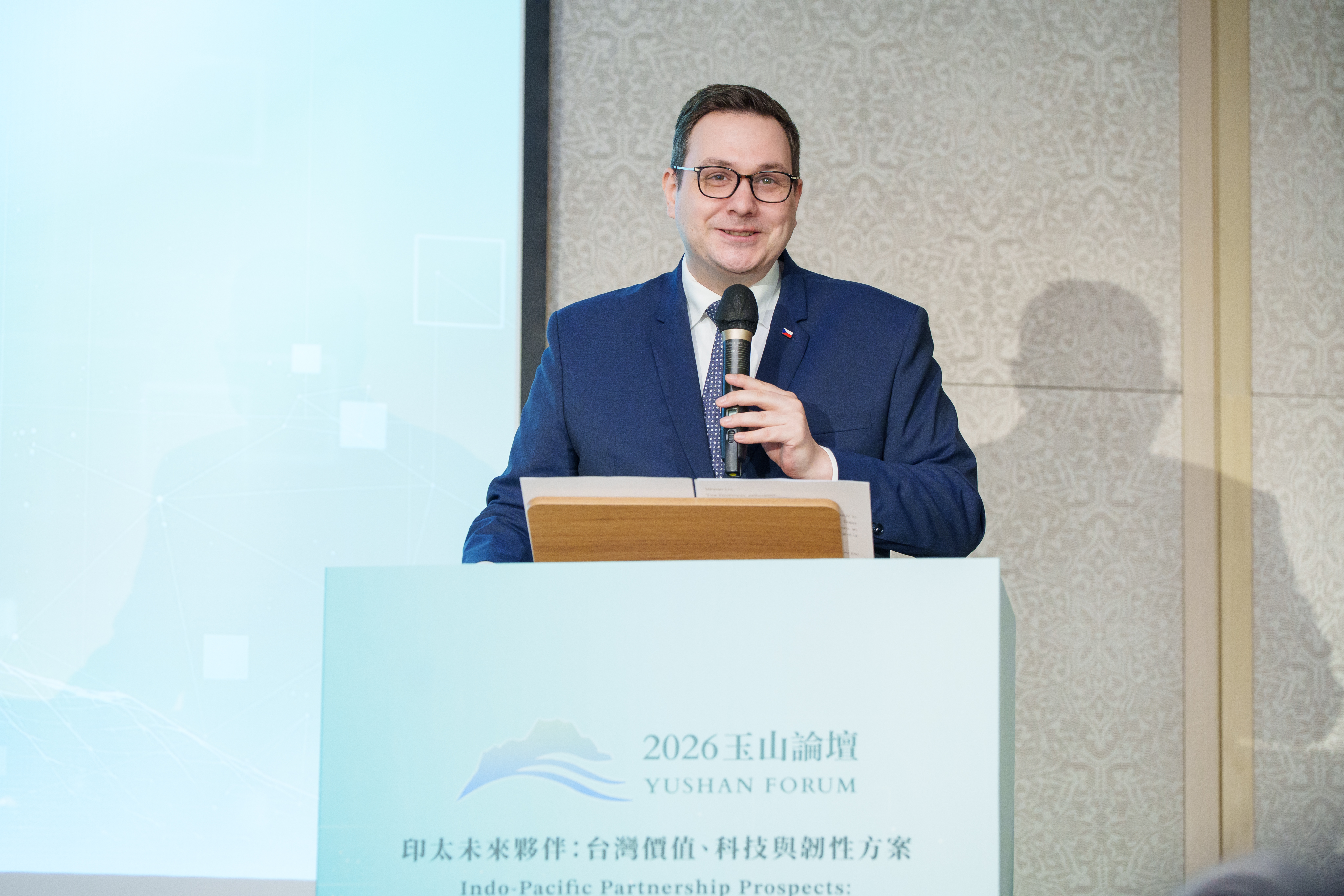
The first day of the forum concluded with a diplomatic dinner hosted by Minister of Foreign Affairs Lin Chia-lung, featuring remarks by Amb. Christoph Heusgen, former Chairman of the Munich Security Conference; Nanaia Mahuta, former Minister of Foreign Affairs of New Zealand and Board Chair of the New Zealand Centre for Global Studies; and Jan Lipavský, Member of Parliament and former Minister of Foreign Affairs of the Czech Republic, further strengthening international dialogue and partnerships among participating leaders.
 |  |
About the Yushan Forum
Since its founding in 2017, the Yushan Forum: Asian Dialogue for Innovation and Progress has served as a core platform for Asian regional discussion on Taiwan’s implementation of the New Southbound Policy (NSP). The forum, hosted by the Taiwan-Exchange Foundation (TAEF), seeks to increase exchange of ideas, talent, technologies and social initiatives between Taiwan and NSP partner countries, and to foster multilateral cooperation between nations in the Indo-Pacific, as well as Australia and New Zealand. To achieve this, the forum brings together important figures in both the public and private sectors of like-minded countries across Asia and the Pacific, including political leaders, policy makers, heads of industry and innovative professionals, providing a space to discuss crucial topics such as regional stability, collective economic growth, and disaster prevention and aid through the framework of the NSP.
Yushan Forum website: https://www.yushanforum.org/