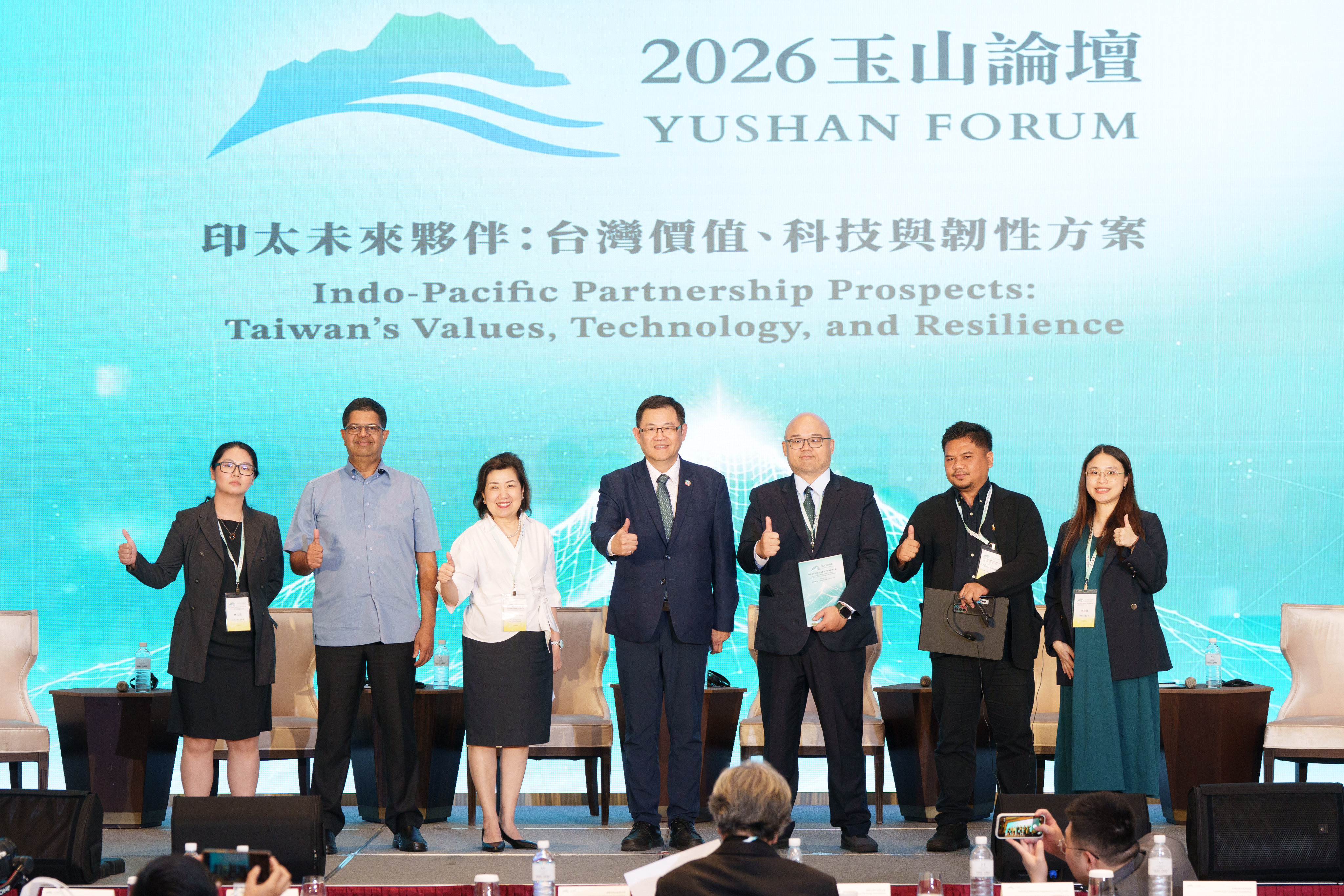
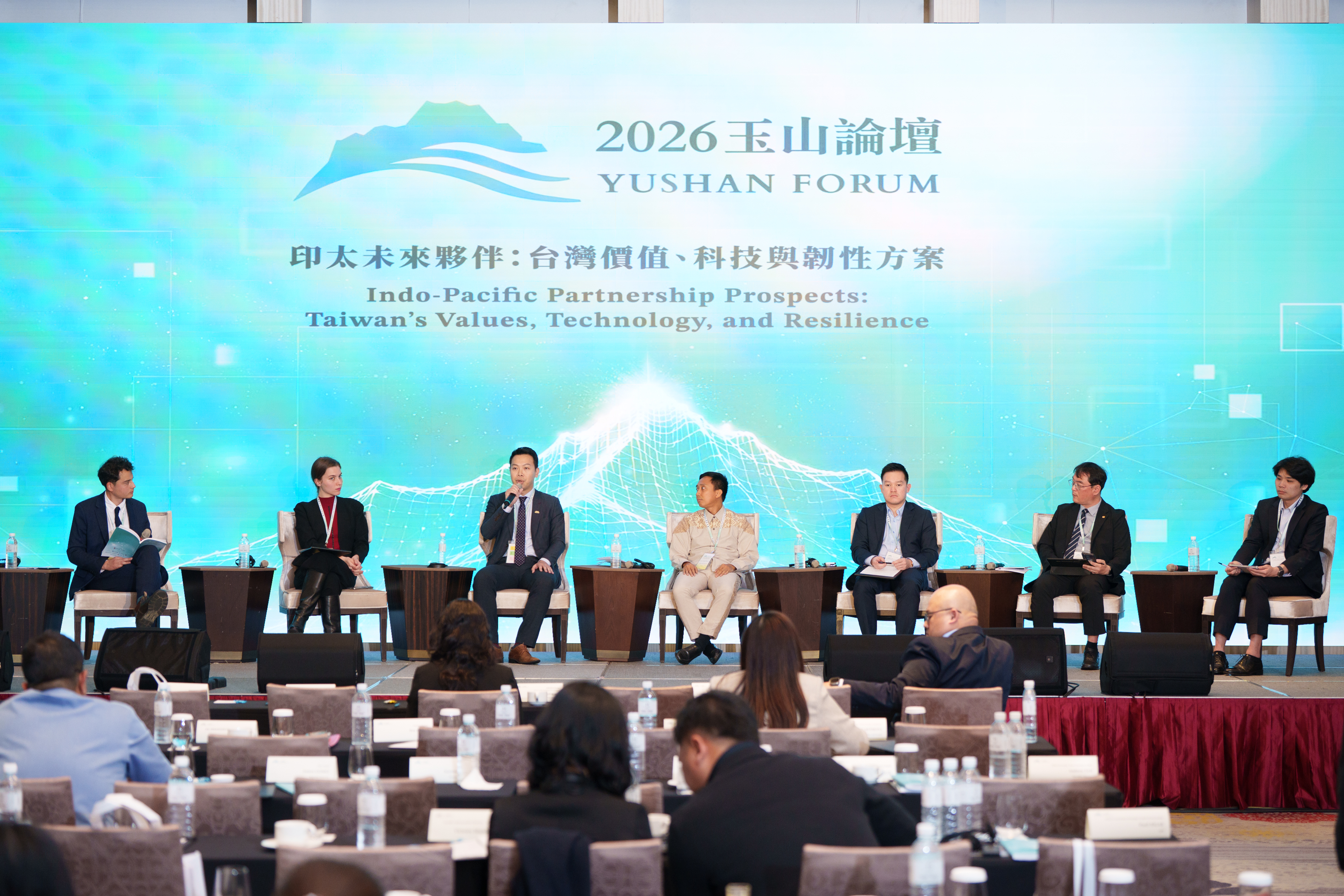
The 9th Yushan Forum, taking place from March 16 to March 17 under the theme “Indo-Pacific Partnership Prospects: Taiwan’s Values, Technology, and Resilience,” continues to convene global leaders and experts to strengthen cooperation across the region. Co-organized by the Taiwan-Asia Exchange Foundation (TAEF) and the Ministry of Foreign Affairs (MOFA), this year’s forum marks the 10th anniversary of the New Southbound Policy+ (NSP+), underscoring Taiwan’s evolving role in fostering regional stability, innovation, and partnership.
Following a first day focused on Taiwan’s strengths in technology, resilience, and democratic values, which included keynote speeches from President Lai Ching-te and Vice President Hsiao Bi-khim, the second day turned to another critical dimension of regional cooperation: how partnerships across governments, think tanks, civil society, and emerging leaders can translate shared values into coordinated action and shared prosperity.
Roundtable Dialogue: Indo-Pacific Prospects
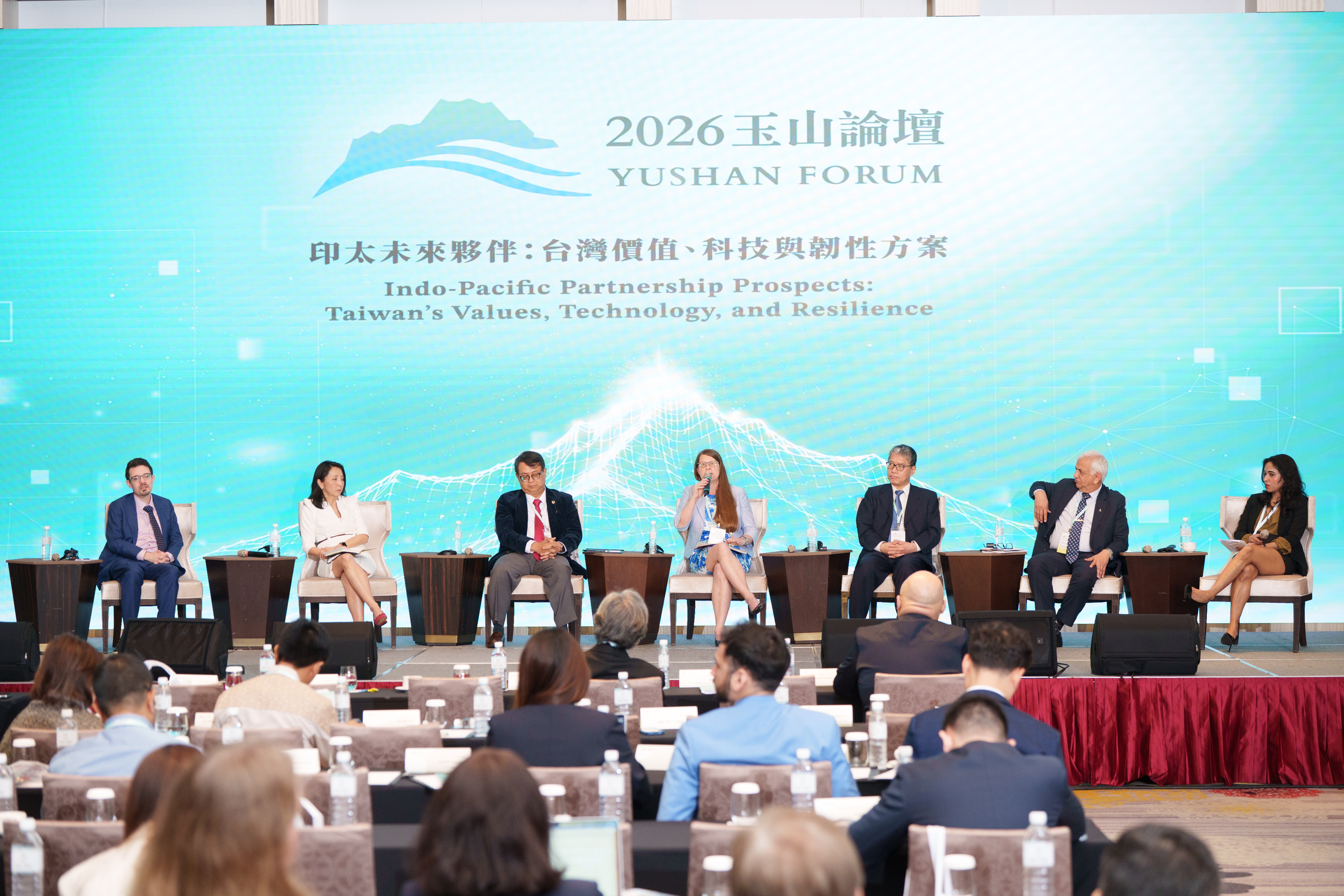
The day opened with a Roundtable Dialogue on Indo-Pacific Prospects—How Taiwan Can Promote Shared Prosperity Amidst Geostrategic Competition, moderated by Dr. Chen Ming-chi, Deputy Minister of Foreign Affairs. Speakers included Ashok Malik, Amb. Yim Sung Joon, Lim Biow Chuan, Amb. Christoph Heusgen, and Zbigniew Pisarski.
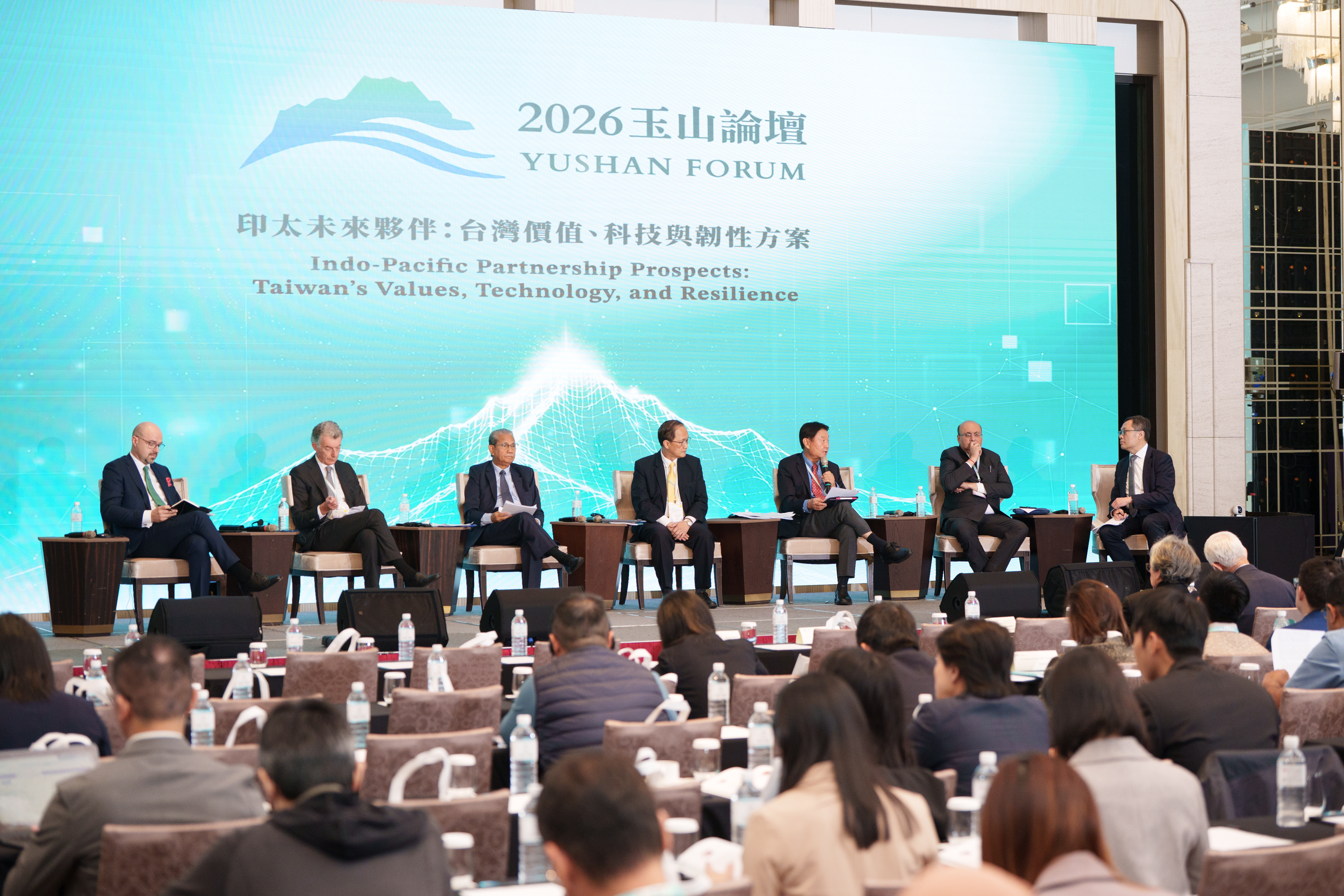
Participants highlighted the increasing complexity of the global environment, marked by supply chain disruptions, economic competition, and the growing intersection of economic and national security.
They emphasized the need for middle powers to play a greater role in shaping a new global order, grounded in cooperation rather than isolation. Speakers agreed that no single country can navigate these challenges alone, emphasizing the need for diversification, cooperation, and resilient economic partnerships. Stressing economic security is increasingly inseparable from national security, speakers called for closer coordination on industrial policy, open markets, and the strengthening of global institutions such as the WTO. Across the dialogue, speakers reinforced that shared prosperity in the Indo-Pacific must be built on resilience, openness, and collective action among like-minded partners.
Session 6: Think Tank Corridor—Leveraging Shared Values to Spur Democratic Action
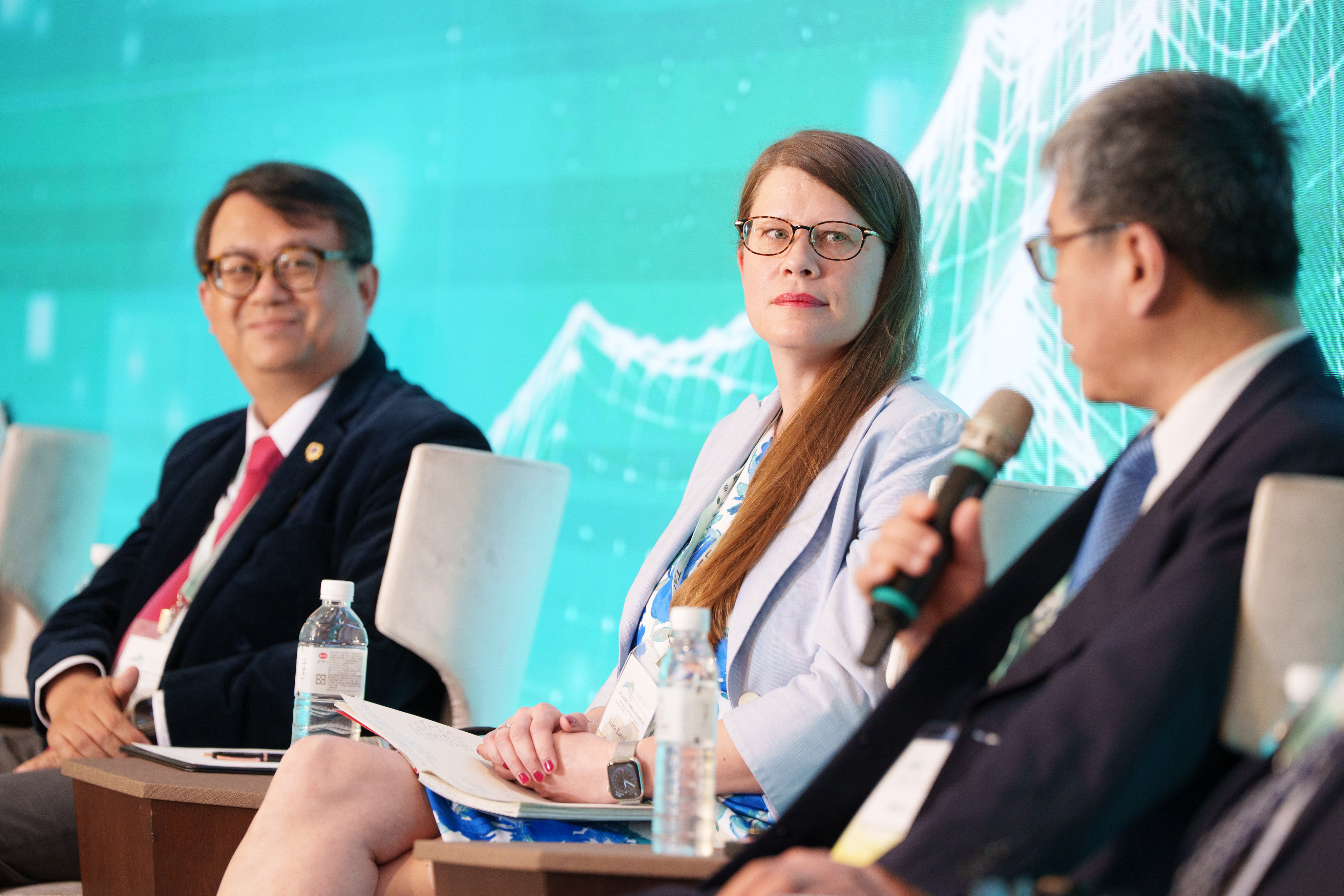
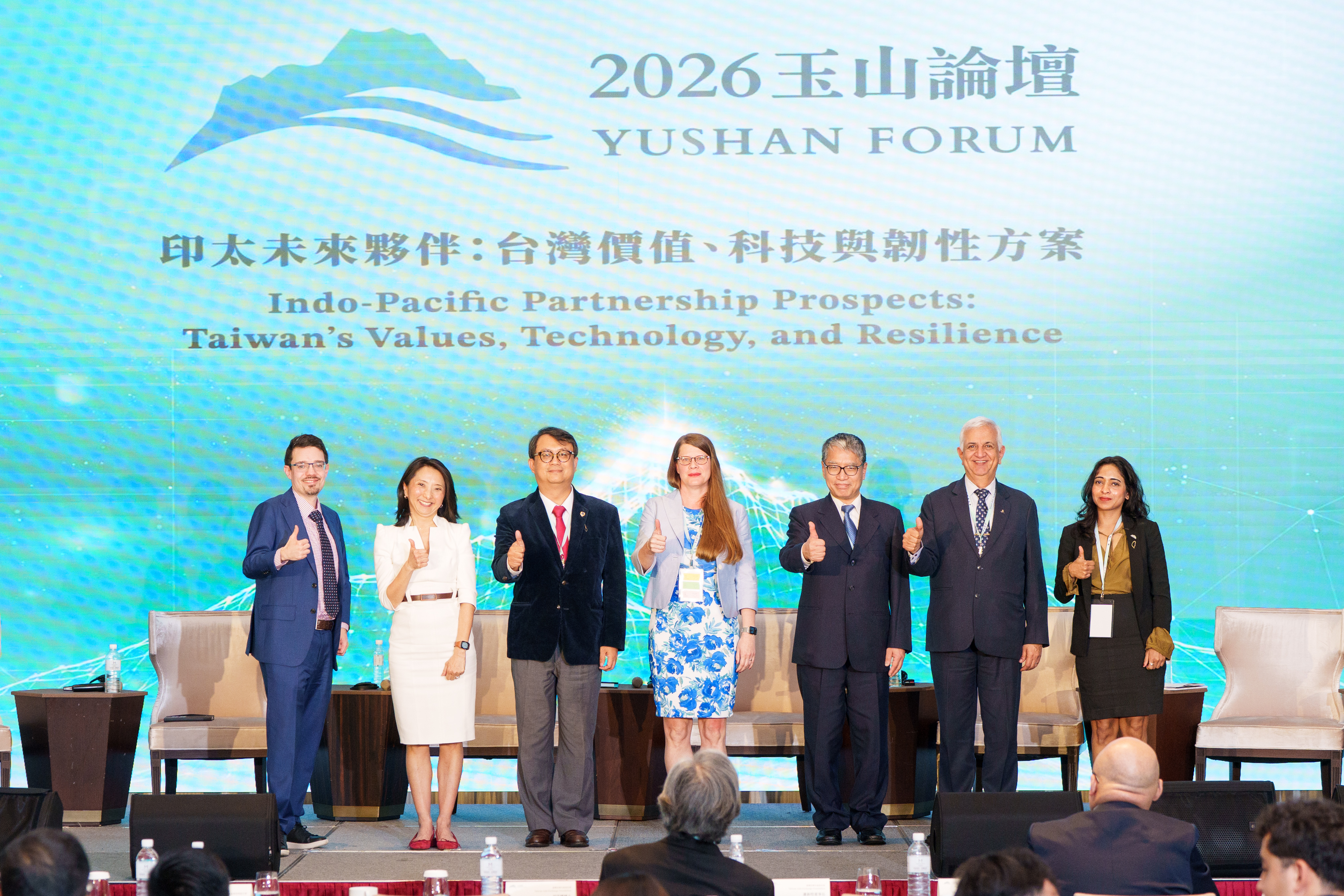
The forum continued with Session 6: Think Tank Corridor—Leveraging Shared Values to Spur Democratic Action, moderated by Dr. Sana Hashmi, Research Fellow at TAEF, and featuring leading experts from think tanks across Asia, Europe, and North America: Vice Admiral Pradeep Chauhan, Director General of India’s National Maritime Foundation (NMF); Ben Bland, Director of the Asia Programme at Chatham House (United Kingdom); Shihoko Goto, Vice President of Programs and Director of the Asia Program at the Foreign Policy Research Institute (United States); Ivana Karásková, European China Policy Fellow at the Mercator Institute for China Studies (MERICS) and Founder of MapInfluenCE, CHOICE, and WiCH (Czech Republic); I-Chung Lai, President of the Prospect Foundation (Taiwan); and Yau-Jr (Tristan) Liu, Advisor to the Ministry of Foreign Affairs and President of Taipei University of Marine Technology (Taiwan).
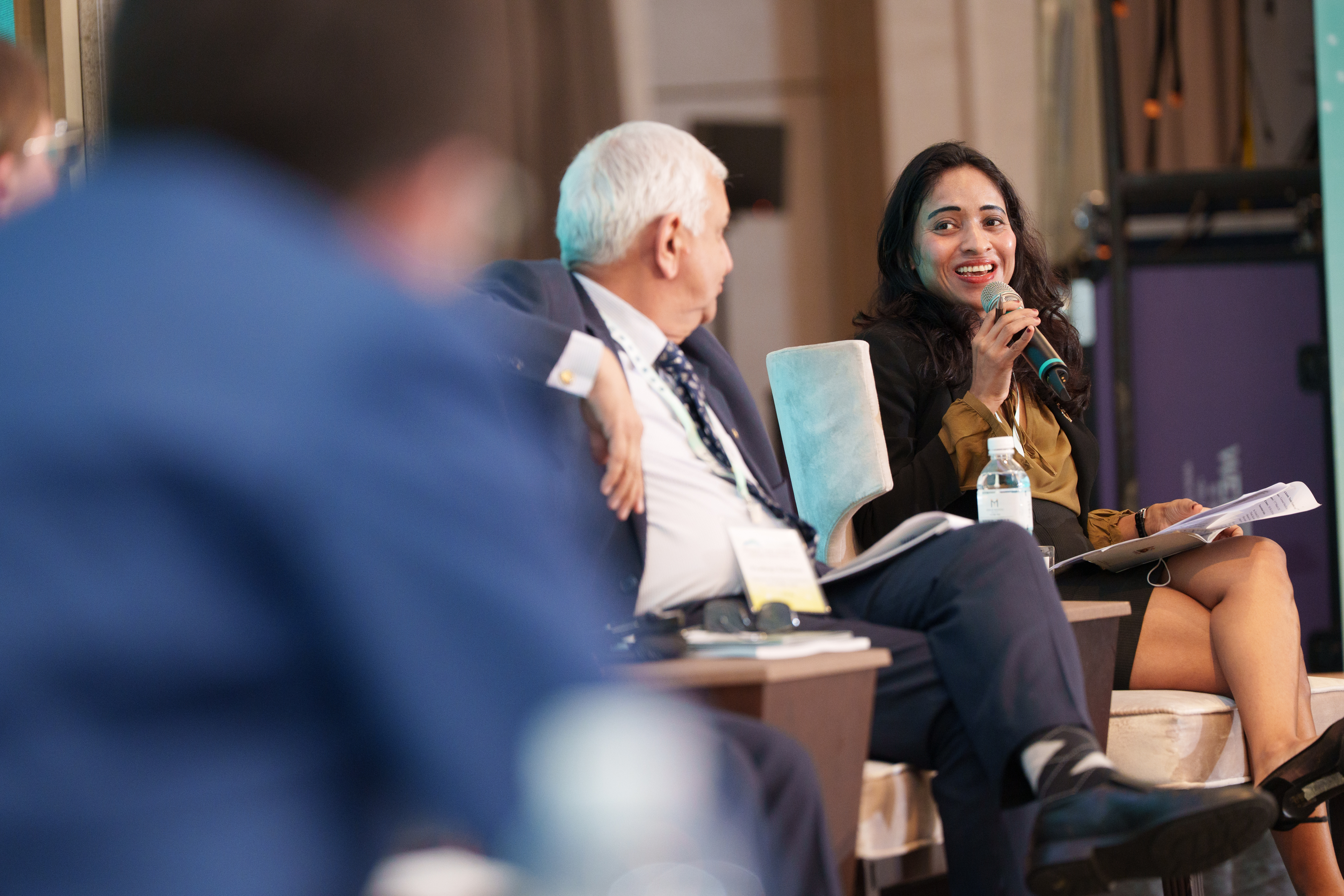
The session opened with the launch of a special issue of Maritime Affairs, jointly produced by TAEF and India’s National Maritime Foundation, highlighting deepening Taiwan–India maritime cooperation. Discussion quickly moved beyond traditional security frameworks, with Vice Admiral Chauhan raising the challenge of how to credibly deter coercion in the Indo-Pacific, while I-Chung Lai pointed to a critical gap between high-level alignment and the day-to-day realities of sustaining cooperation, warning that without real investment, many initiatives risk remaining symbolic. Lai also underscored the global stakes of stability in the Taiwan Strait, noting the scale of international shipping flows and the far-reaching consequences of disruption.
Speakers also highlighted less visible but equally pressing challenges. Ivana Karásková warned that disinformation and hybrid threats are evolving, with China adapting tactics seen in Europe, and called for more proactive international messaging from Taiwan. Shihoko Goto emphasized that Taiwan’s resilience is central to the global economic system, particularly as economic tools such as blockades become increasingly weaponized. Yau-Jr Liu stressed the importance of strengthening maritime governance and institutional capacity, while Ben Bland pointed to a persistent global knowledge gap on Taiwan, especially in Europe, that leaves space for distortion. Across the discussion, panelists cautioned that an overemphasis on defense risks overlooking economic, informational, and societal resilience, underscoring the need for more coordinated, cross-sector approaches among like-minded partners.
A high-level luncheon was hosted by the Vice Minister of the Ministry of Foreign Affairs (MOFA), Amb. Baushuan Ger and other distinguished speakers such as Dovilė ŠAKALIENĖ, Member of the Parliament (Seimas) and Former Minister of National Defence, Republic of Lithuania and Drs. Isa KAHRAMAN, Former Chair of the National Defense Committee, House of the Representatives, the Netherlands.
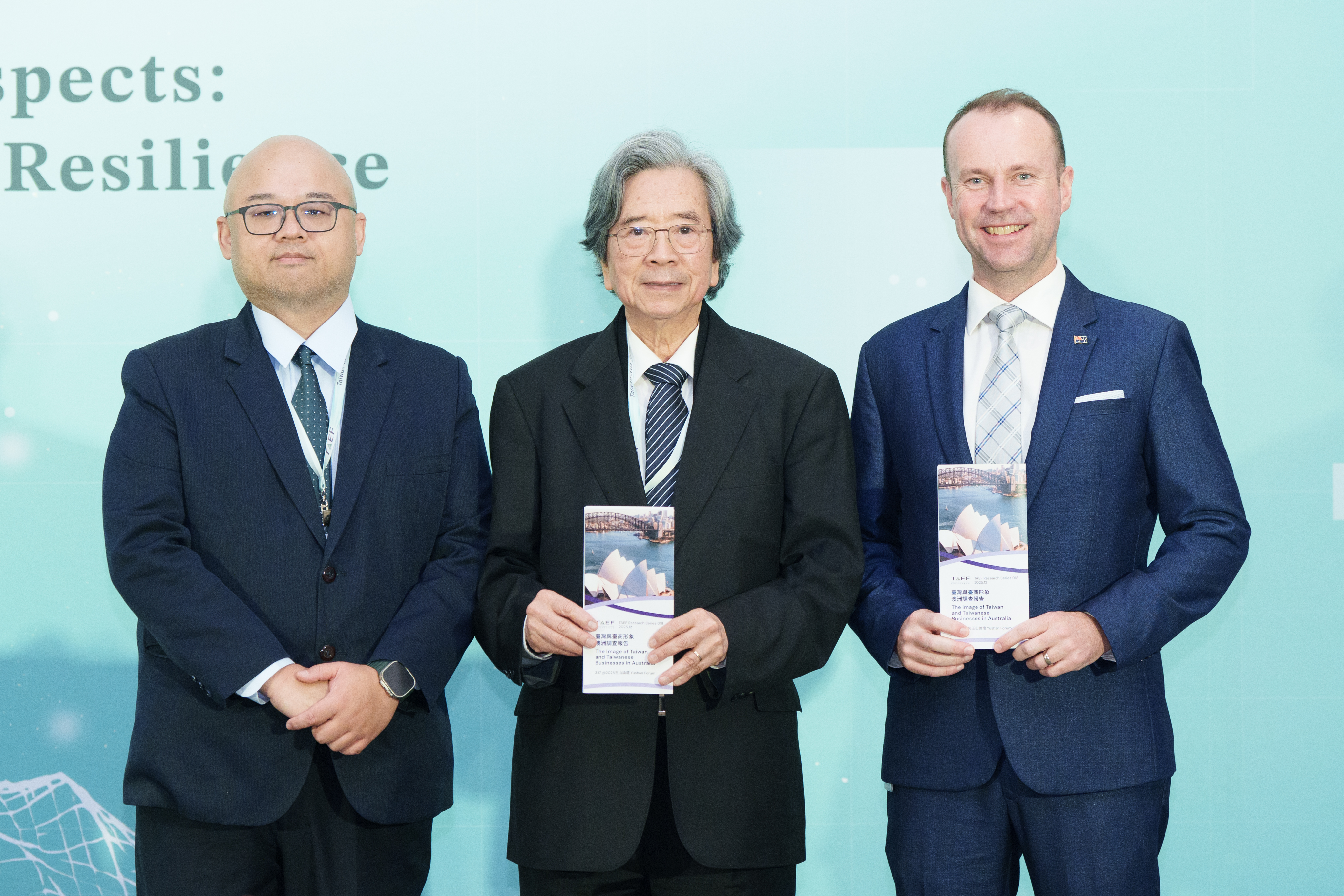
During the lunchtime, there was also a side event launch of the survey report “The Image of Taiwan and Taiwanese Businesses in Australia,” highlighting how Taiwan and Taiwanese enterprises are perceived by Australian businesspeople and identifying opportunities to deepen bilateral cooperation. The event brought together representatives from Taiwan and Australia, including Dr. Michael Hsiao, Chairman of the Taiwan-Asia Exchange Foundation; Dr. Alan H. Yang, Executive Director of the Taiwan-Asia Exchange Foundation; Daniel Stuart, Deputy Representative of the Australian Office in Taipei; and Glenn Lio, Executive Director of the Australia New Zealand Chamber of Commerce in Taiwan, alongside international guests and forum participants.
Session 7: NGO Corridor—Mobilizing Civic Power to Connect Free Societies
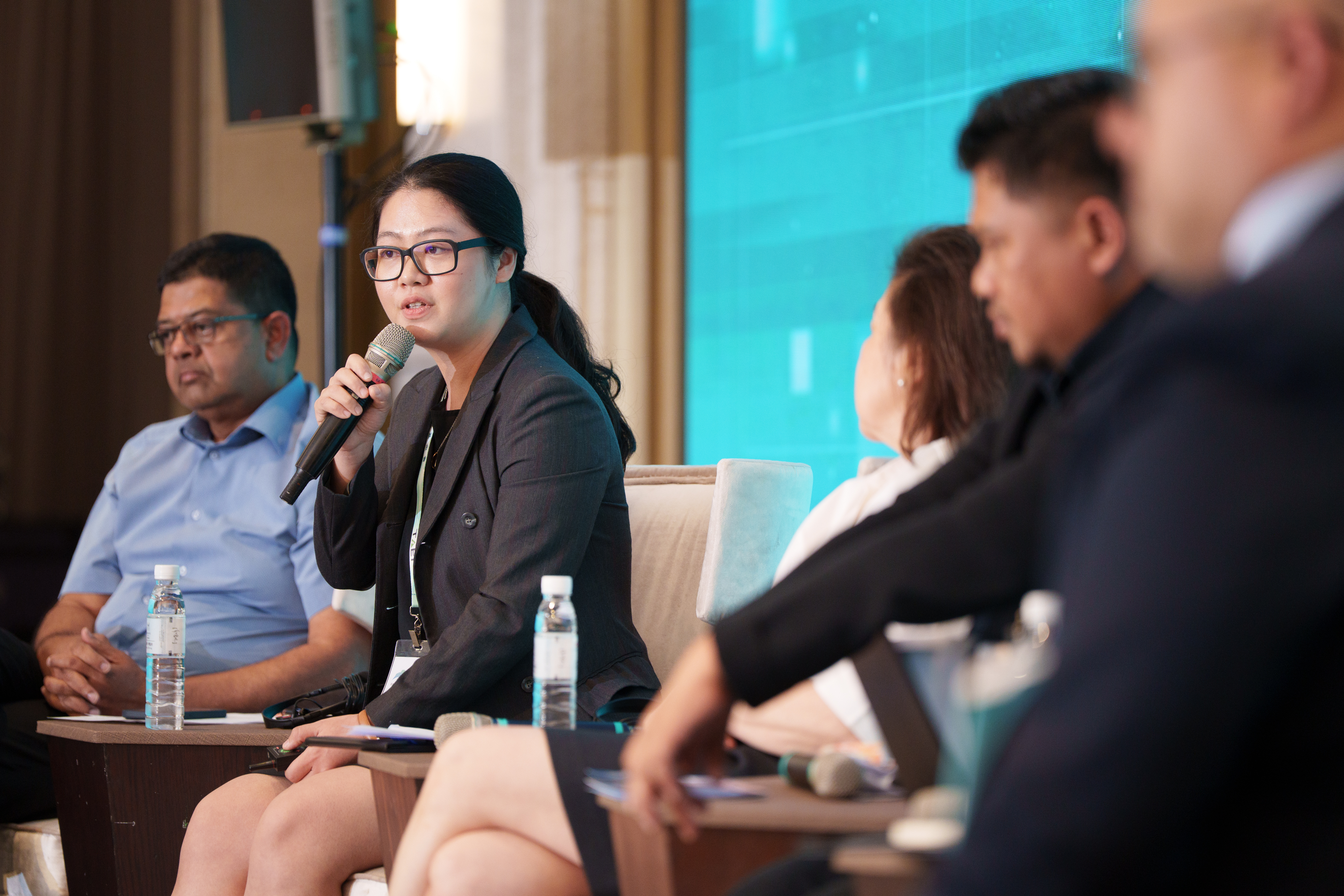
Following the luncheon, the afternoon opened with Session 7: NGO Corridor—Mobilizing Civic Power to Connect Free Societies, featuring opening remarks by Mr. Zhen-Wei Chiang, Director-General of the Department of NGO International Affairs, Ministry of Foreign Affairs (MOFA), and a panel discussion moderated by Dr. Alex H. Yang, Executive Director of the Taiwan-Asia Exchange Foundation (TAEF), with contributions from Ms. Susanna B. Afan, President, The Ramon Magsaysay Award Foundation (Philippines); Mr. Daniel Awigra, Executive Director, Human Rights Working Group (Indonesia); Ms. Singing Li, Chief Executive Officer, Open Culture Foundation (R.O.C., Taiwan); Mr. James Gomez, Regional Director, Asia Centre (Thailand); and Ms. Leah Lin, Chief Executive Officer, Asia Citizen Future Association (R.O.C., Taiwan)
In his plenary speech,. Mr. Chiang outlined Taiwan’s plans to establish an INGO Hub, first introduced at the 2025 Yushan Forum. The initiative will roll out in two phases: beginning as a consultation and incubation platform providing landing services for international NGOs, followed by a full-scale INGO cluster designed to amplify diplomatic impact and cross-border collaboration, demonstrating Taiwan’s commitment not only to being a secure and open base for global civil society but also to supporting the values of the international democratic community.
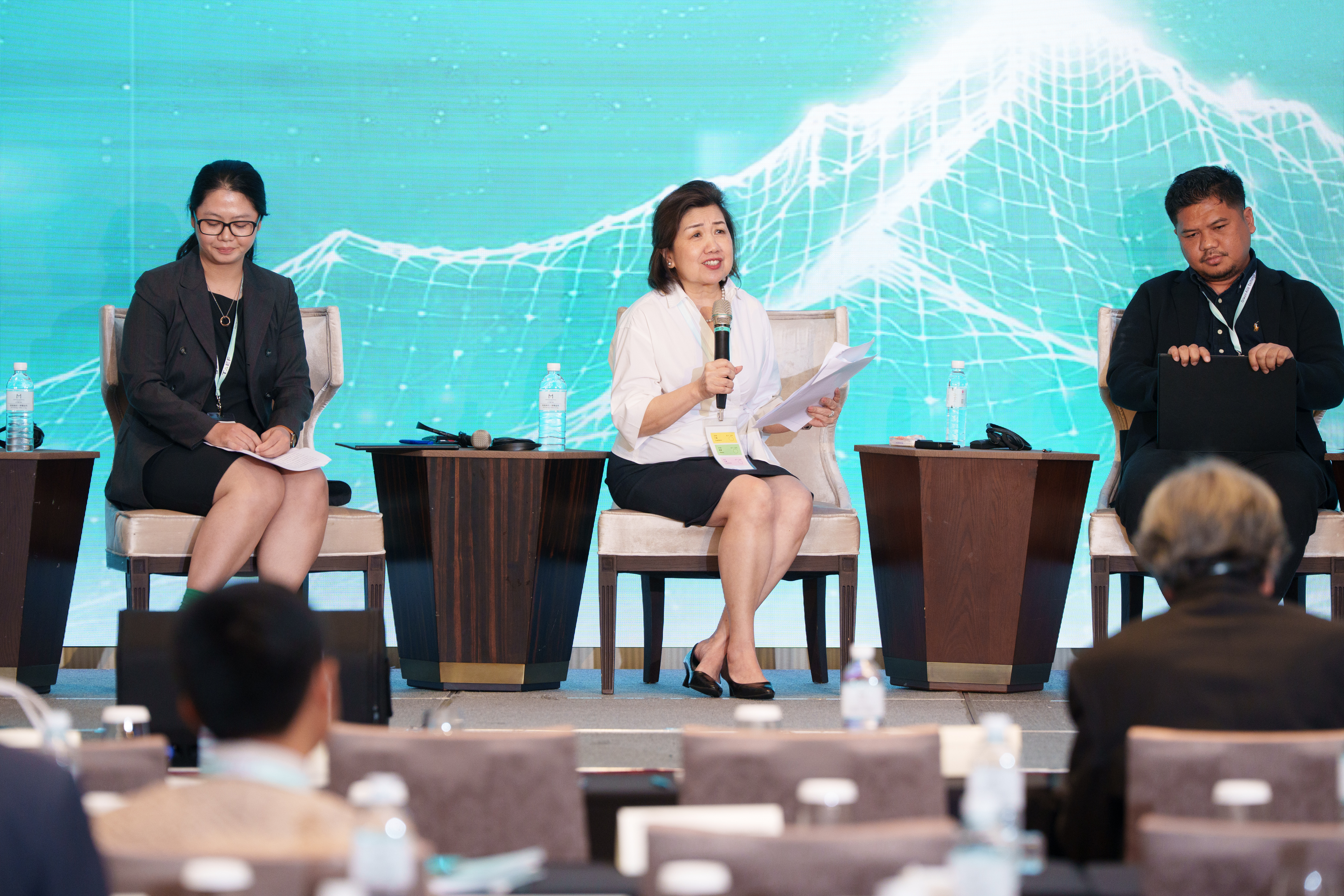
Speakers expressed strong excitement about the announcement, highlighting the potential of the INGO Hub to strengthen regional collaboration and foster practical solutions to complex societal challenges. Panelists emphasized the frontline role of civil society in addressing issues such as migrant exploitation, human trafficking, shrinking civic space, and digital security, and stressed that NGOs often deliver solutions where governments cannot. They underscored the importance of evidence-based civic action, solidarity through cooperation and coordination, and values-driven use of technology. Several participants also noted that cultivating regional partnerships, promoting sustainability, and protecting marginalized communities are essential to ensuring that civil society can continue to thrive and contribute meaningfully to a resilient, inclusive Indo-Pacific.
Session 8: Youth Corridor—Cultivating a New Generation of Leaders to Shape the Indo-Pacific’s Future
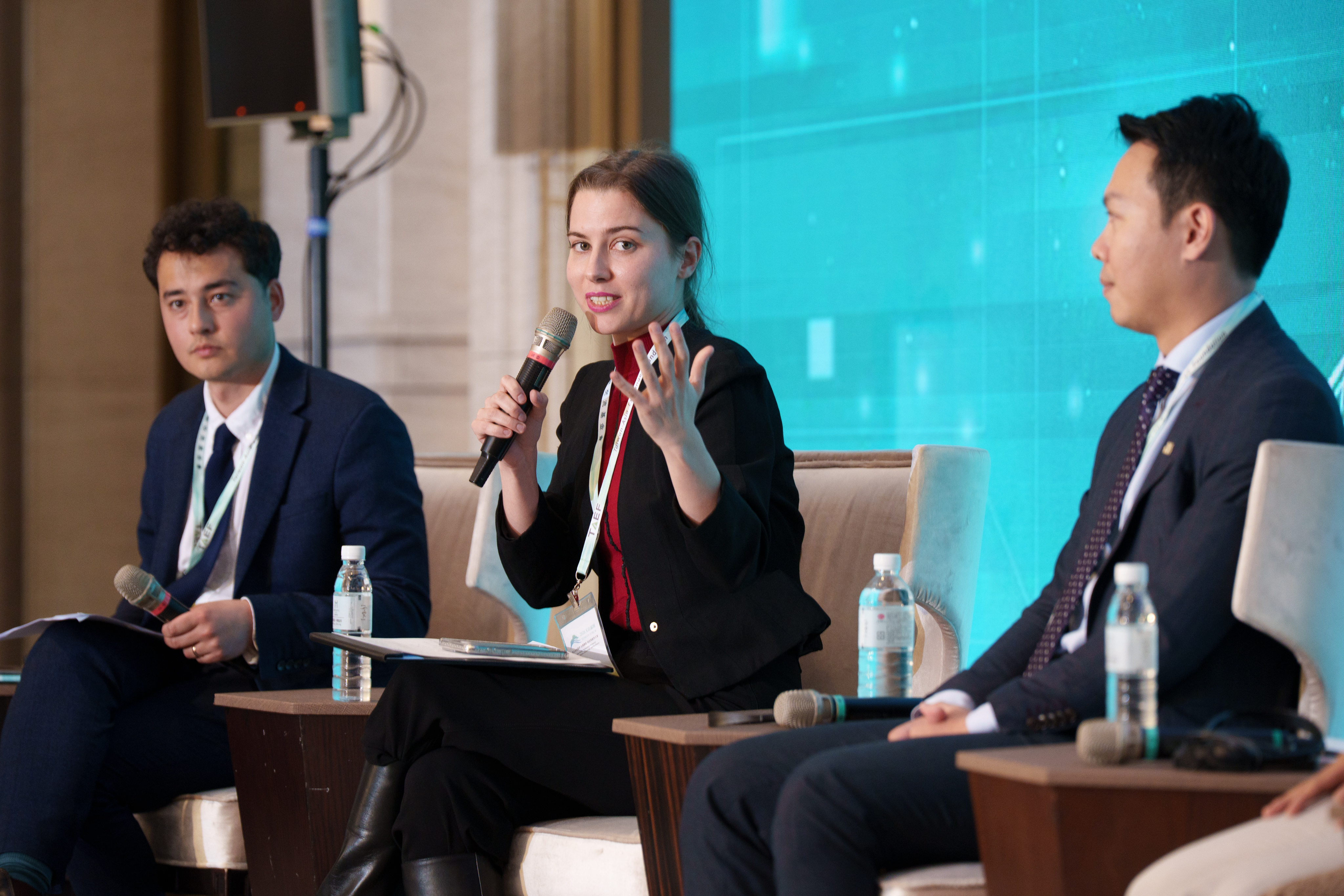
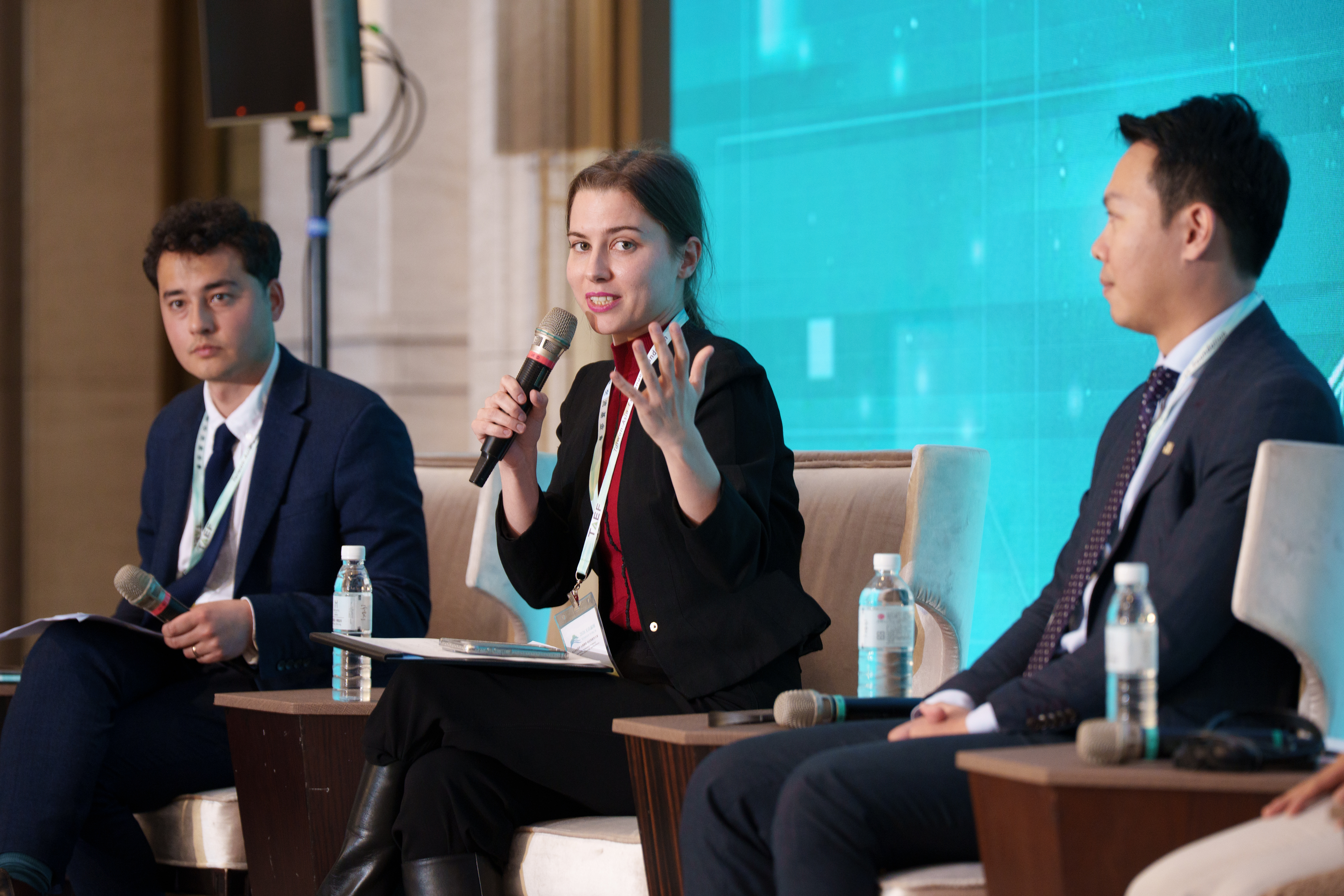
The final session of the 9th Yushan Forum, Session 8: Youth Corridor—Cultivating a New Generation of Leaders to Shape the Indo-Pacific’s Future, brought together emerging parliamentarians and policymakers alongside senior figures dedicated to empowering youth participation in governance. Chaired by Andrew Yeh, Executive Director, China Strategic Risks Institute (CSRI), UK, the session included Lee Young-je, Director, Exchange & Cooperation Office, Korea Democracy Foundation, South Korea; Victoire Mandonnaud, Partnerships and Research Associate, Office of the UN Special Envoy on Financing the 2030 Agenda for Sustainable Development, France; Kai-Chieh Hsu, Judge, National Security Court, Taipei District Court, Taiwan; Raoul Manuel, Legislative Consultant and Former Youth Representative, Philippine Congress, Philippines; and Paul Sigar, CEO, ASEAN-Australia Strategic Youth Partnership, Malaysia. Speakers highlighted the importance of moving beyond tokenistic youth representation to give young people meaningful platforms to influence policy, noting that forums like Yushan demonstrate the power of youth leadership in shaping democracy and regional collaboration.
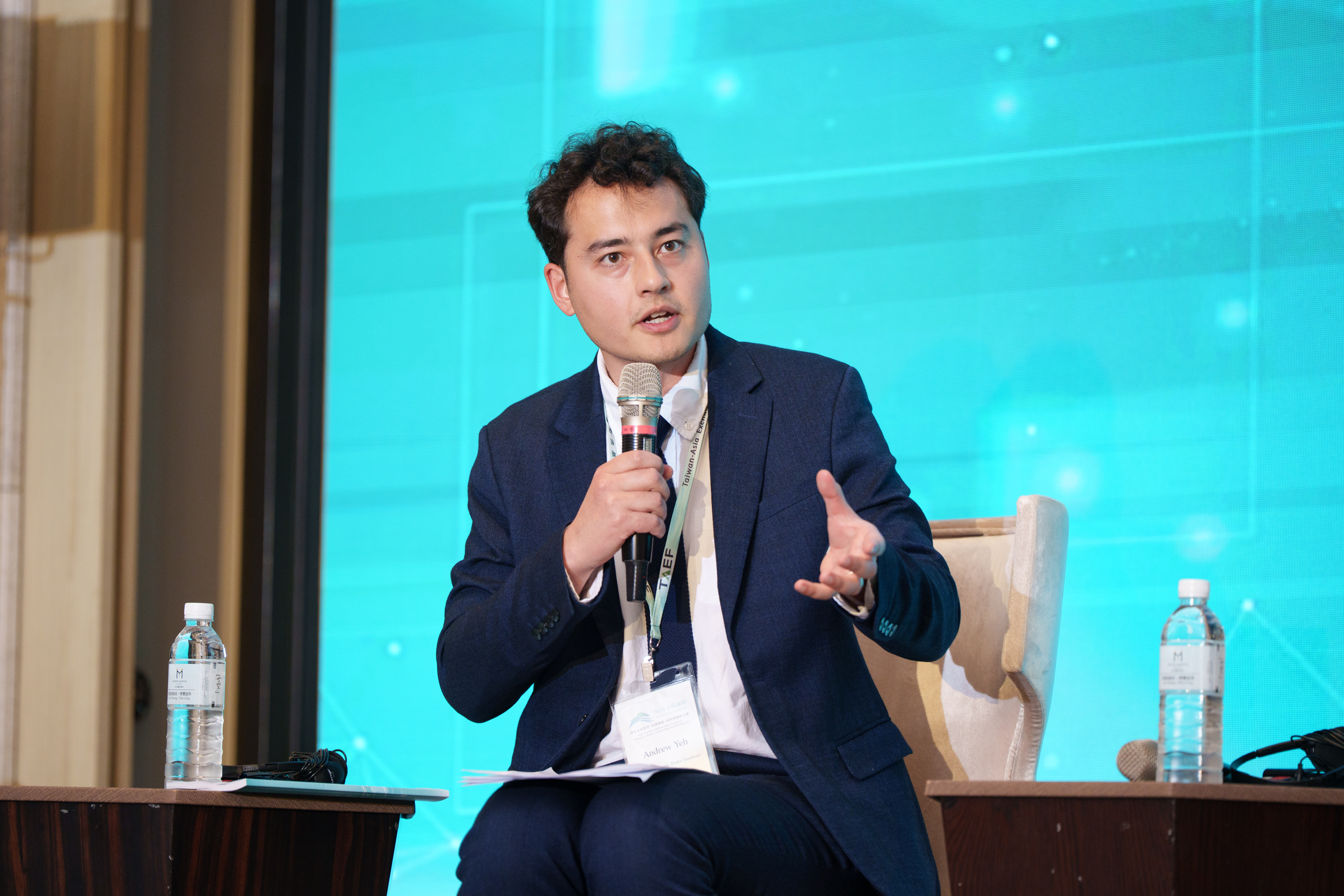
The session opened with a plenary speech by Lee Jae-oh, President of the Korea Democracy Foundation, where he reflected on the historical role of students in Korea’s democracy, noting that “the power of democracy comes from the courage of youth to defend it,” while others stressed the need for quality education, cross-border dialogue, and innovative approaches to partnership-building.
In the subsequent panel discussion, speakers emphasized that youth are not just future leaders but active shapers of the present, capable of addressing inequality, advancing civic literacy, and strengthening democratic resilience. Panelists also discussed the challenges young leaders face in politically paralyzed or divided societies and highlighted the role of youth in countering cognitive and grey-zone threats, promoting institutional literacy, and ensuring that democratic values translate into practical action. The session concluded with a call to ensure young voices have a seat at the table, fostering long-term collaboration across the Indo-Pacific and empowering the next generation to sustain inclusive, forward-looking societies.
About the Yushan Forum
Since its founding in 2017, the Yushan Forum: Asian Dialogue for Innovation and Progress has served as a core platform for Asian regional discussion on Taiwan’s implementation of the New Southbound Policy (NSP). The forum, hosted by the Taiwan-Exchange Foundation (TAEF), seeks to increase exchange of ideas, talent, technologies and social initiatives between Taiwan and NSP partner countries, and to foster multilateral cooperation between nations in the Indo-Pacific, as well as Australia and New Zealand. To achieve this, the forum brings together important figures in both the public and private sectors of like-minded countries across Asia and the Pacific, including political leaders, policy makers, heads of industry and innovative professionals, providing a space to discuss crucial topics such as regional stability, collective economic growth, and disaster prevention and aid through the framework of the NSP.
Yushan Forum website: https://www.yushanforum.org/